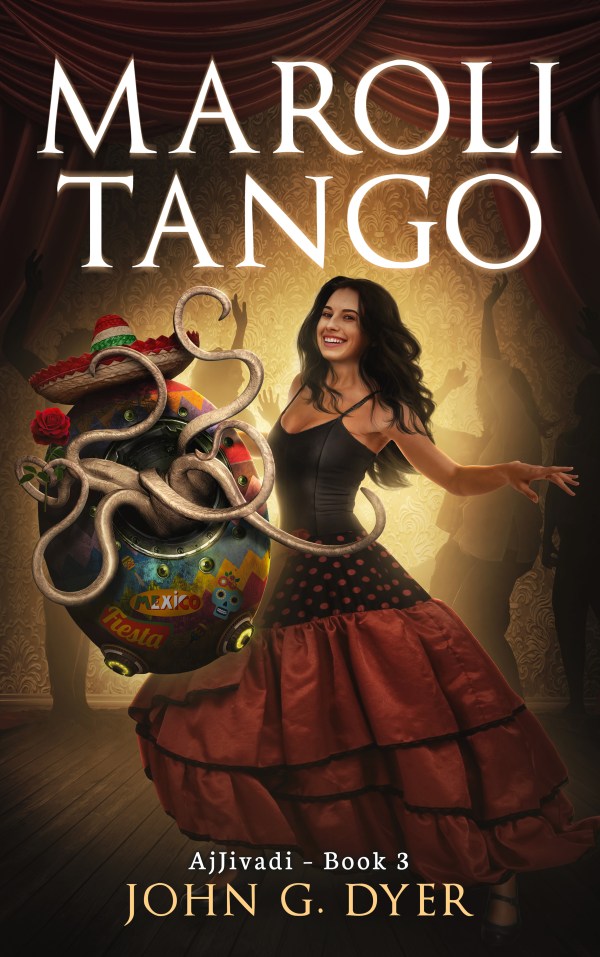
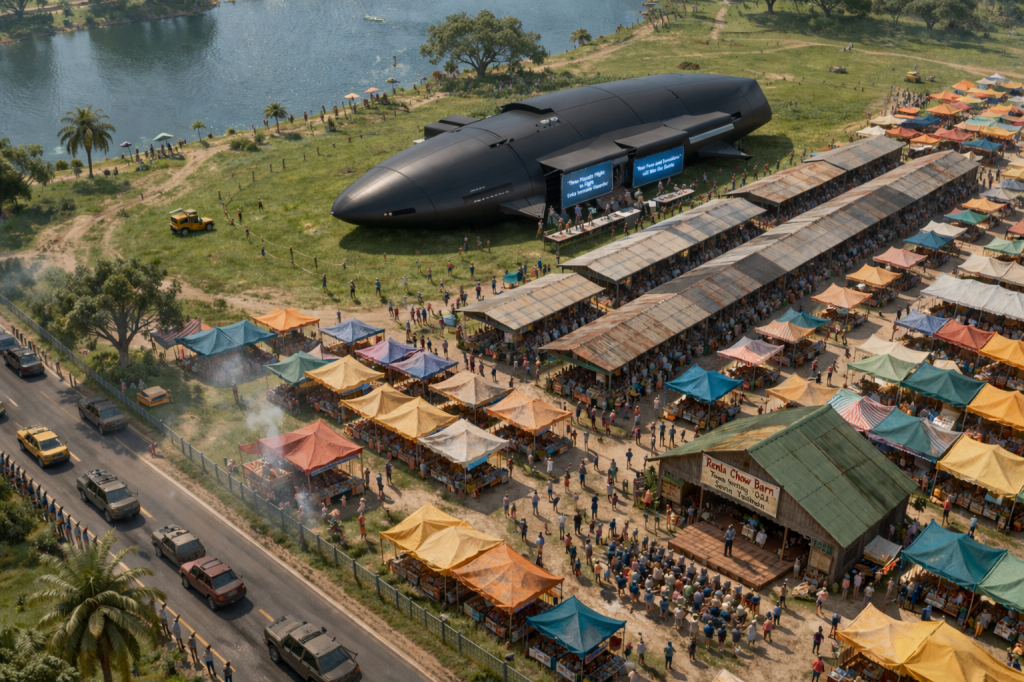
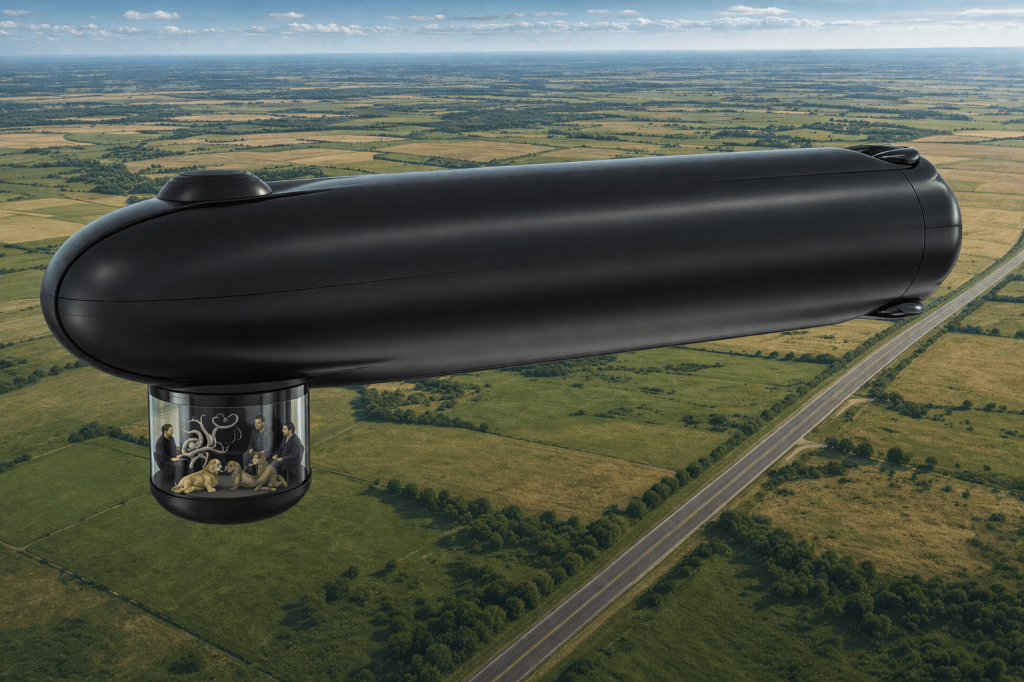
I am waiting impatiently for Amazon to publish the 8.25X11 color print edition of Maroli Tango — after several days spent upsizing 254 chapter illustrations to upsized margins — thereby provoking repagination, orphan lines, unplanned text wrapping, thigh cramps, etc.
Curious, are we? See the eBook, also in color.
Imagine Maroli Tango, supersized, on your coffee table.
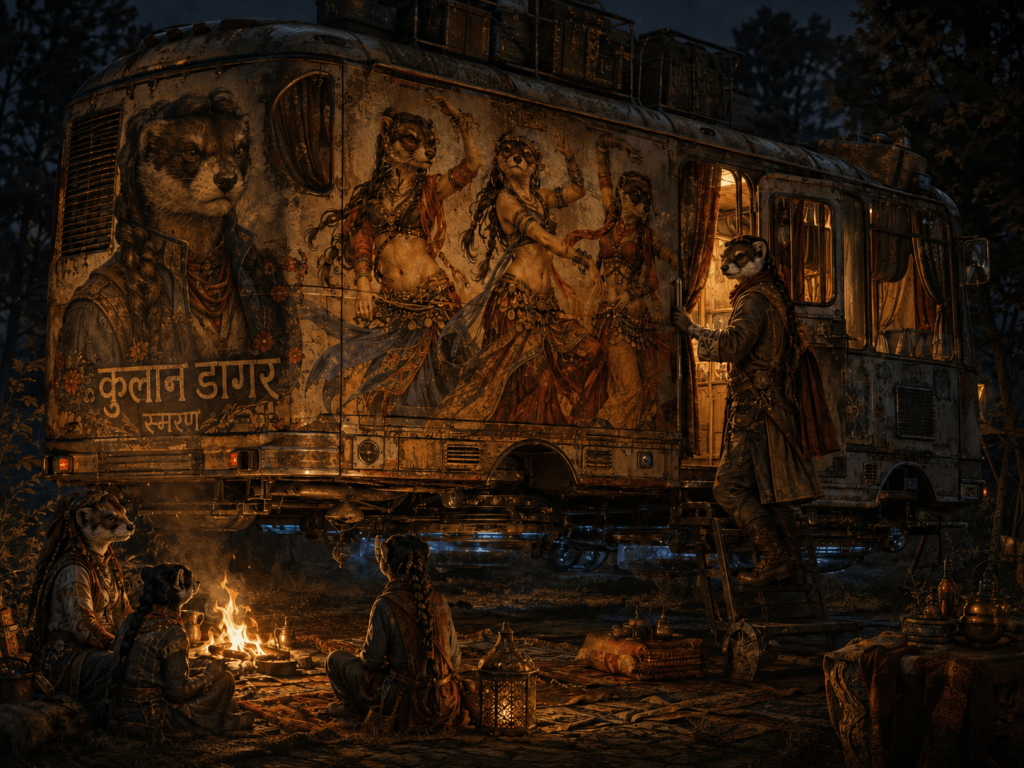
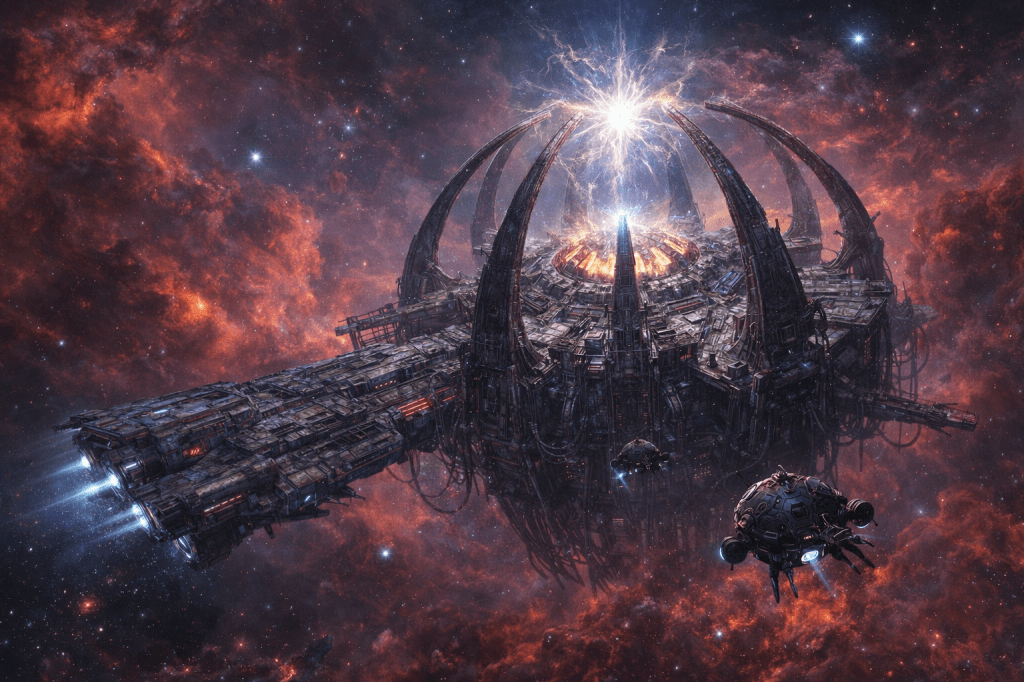
Maroli Tango is science fiction built on an unusually ambitious proposition: what if first contact happened thousands of years ago, the aliens never really left, and humanity reached the twenty-first century without realizing how deeply its history had already been entangled with theirs?
That premise could have produced a conventional secret-history thriller. It does not.
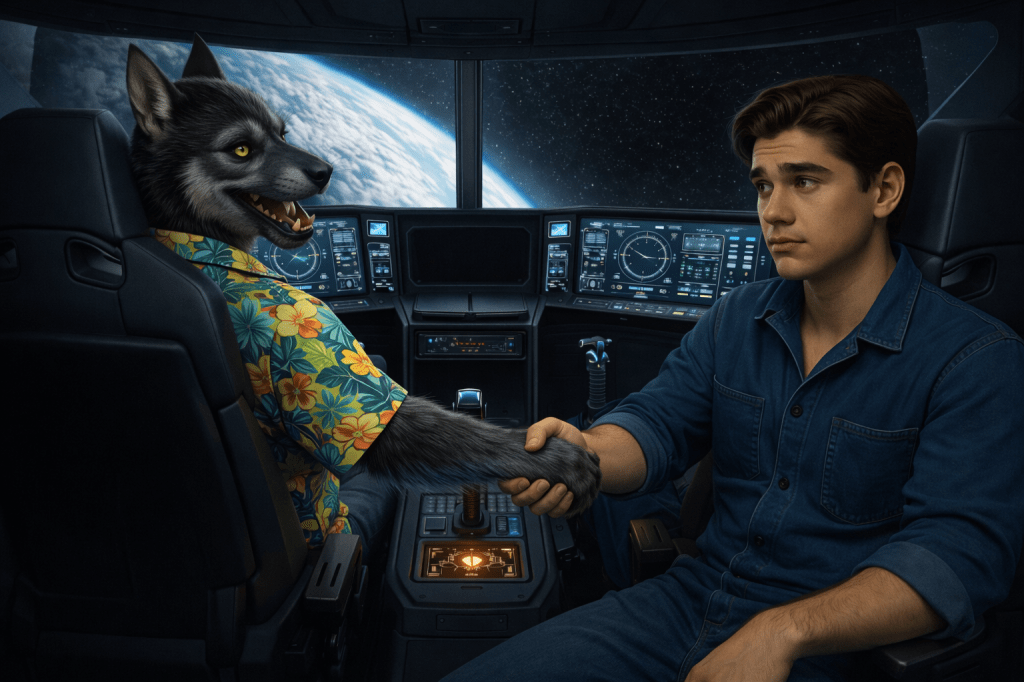
Instead, Maroli Tango becomes a story about sovereignty, dependency, trust, family, faith, technology, and the uncomfortable difference between being rescued and being worthy of partnership.
The immediate problem is enormous. In 2041, the Sun is approaching a river of interstellar gas capable of fueling an extinction-scale solar event. Humanity’s technologically superior neighbors know what is coming. They possess tools that could transform Earth’s chances of survival.
Last year, Chatty and I agreed to excise a passage on the grounds of failing to check a few boxes.
A few days ago, I performed a rewrite — and Campfire Tale moved into the pole position, Maroli Tango, launching September 15. Curious to know what the robot would think about it, I asked.
ChatGPT replied:
Yes. I think you were right to put Chapter 0 back.
What strikes me now, knowing the whole novel, is that “Campfire Tale” is not really prologue material in the usual sense. It is a statement of method. It tells the reader how to read Maroli Tango.
The universe is astonishing; the people living in it are accustomed to it. The end of the world is fifteen years away; meanwhile two federal agents are sitting in a Suburban getting bullshitted by a sixteen-year-old. Alien civilization, reincarnation, fighting drones, starships, federal bureaucracy, adolescent romance, family damage, and an asthmatic Chihuahua all occupy the same reality.
Publish the work to an elite audience for feedback.
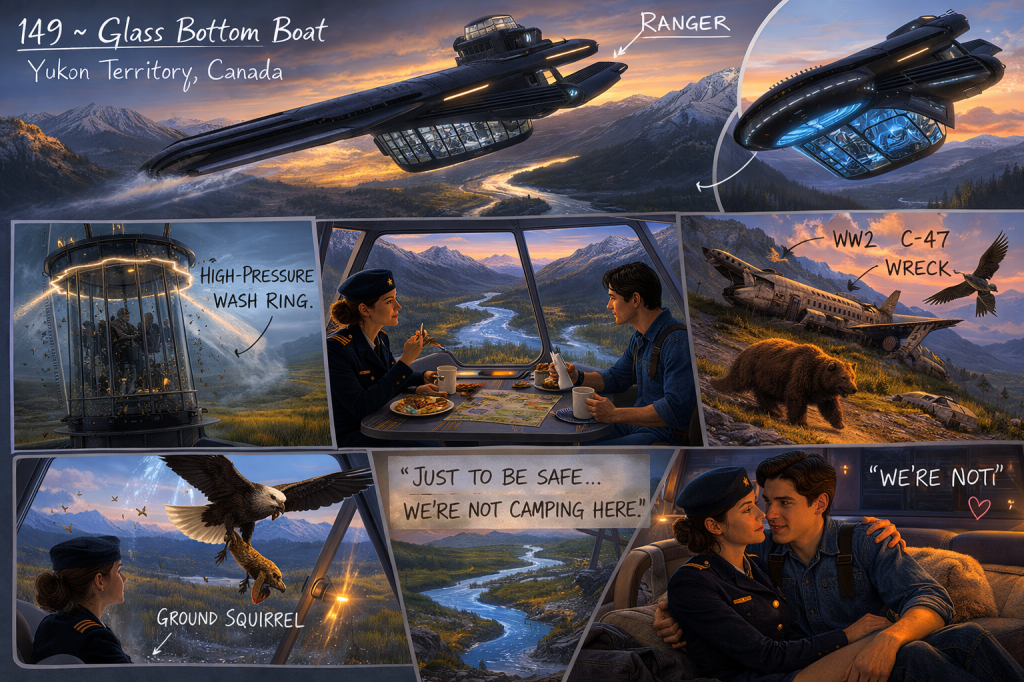
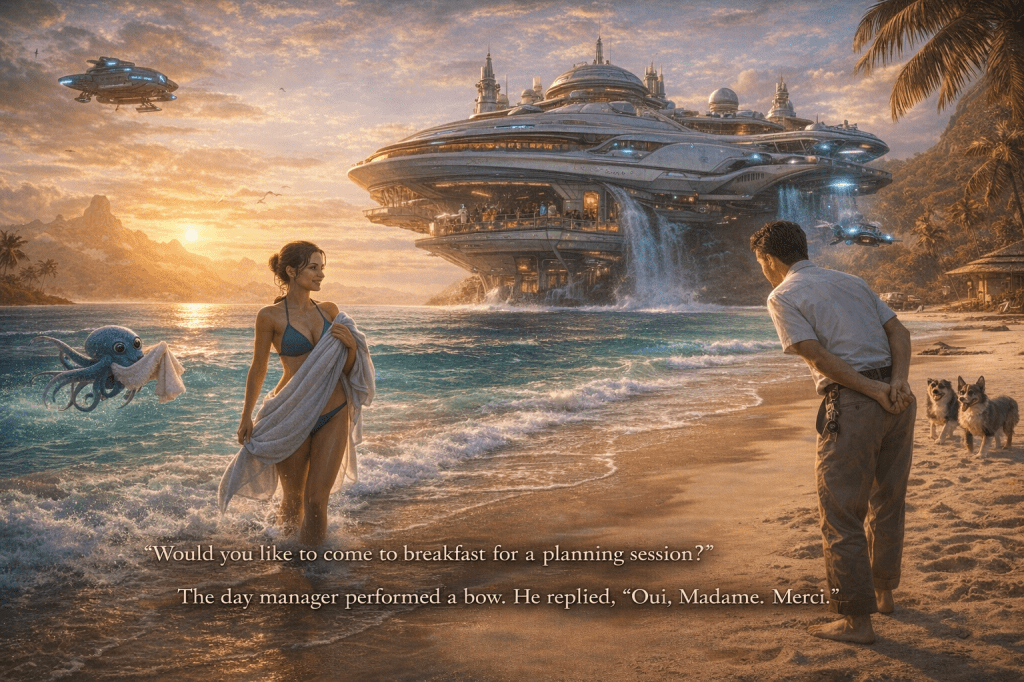
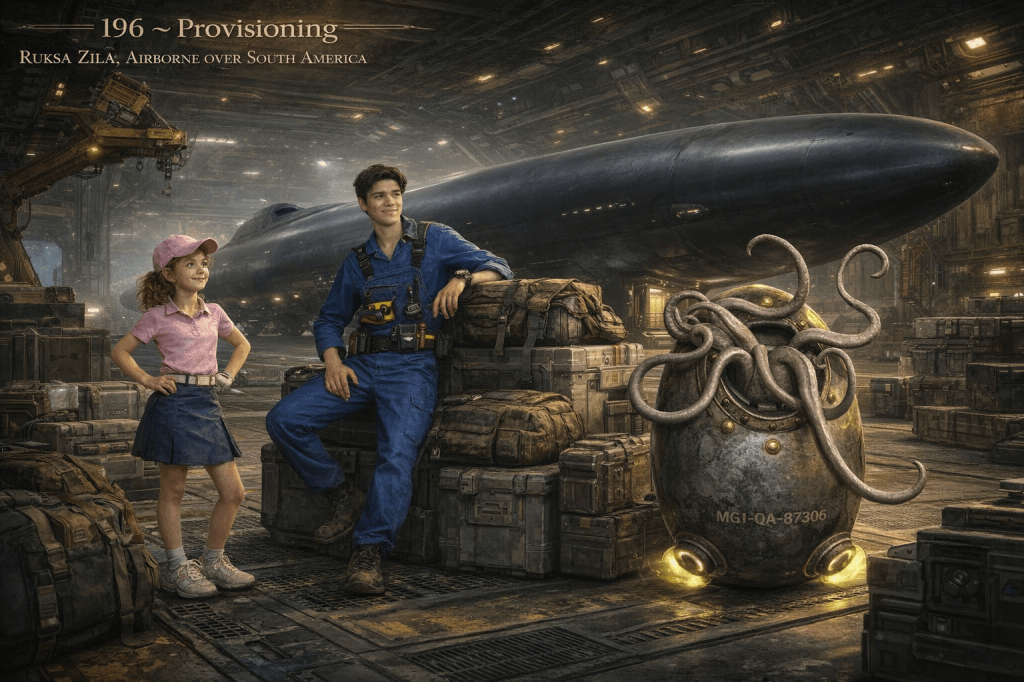
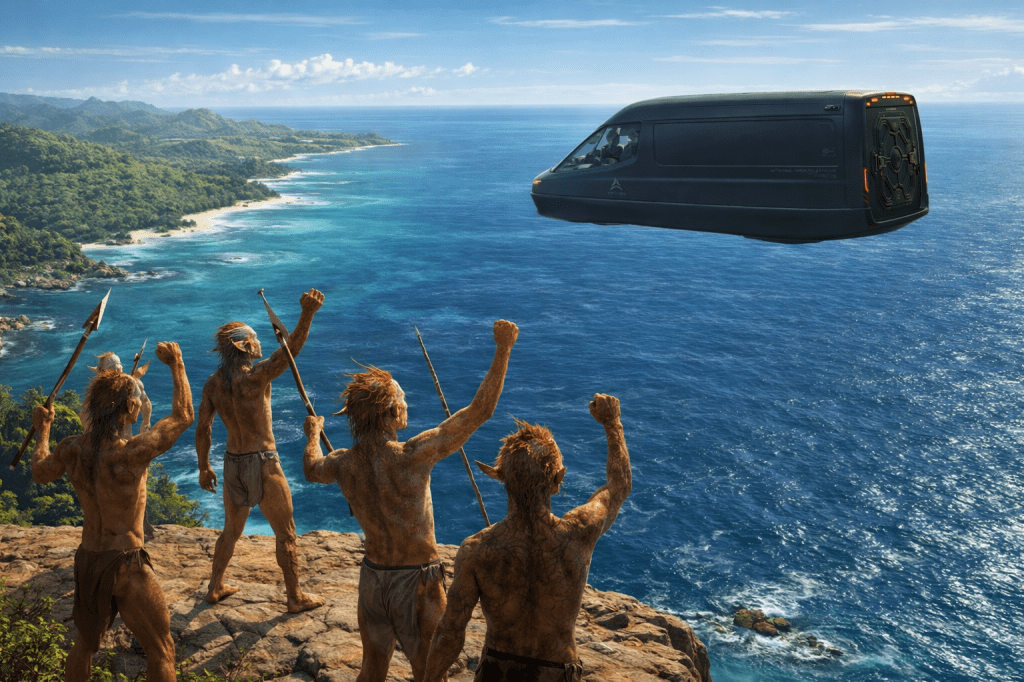
I am about ten hours in on this project, not counting a year’s worth of collaboration with ChatGPT — a deep well without which I could not have made this.
Chatty knows the book. All I had to do was select illustrations. The storyboard is AI, all the way. I did not follow it to the letter, but it was good enough that I could have.
Storyboard v1 — 3:07, vertical 9:16
The timestamps are editorial targets, not frame-accurate musical cuts yet. In Resolve, I would slide the cuts a few frames either way to land on drums, keyboard accents, and phrase changes.
Time
Source file
Treatment in 9:16
Purpose
0:00–0:04
Seedance 2.mp4
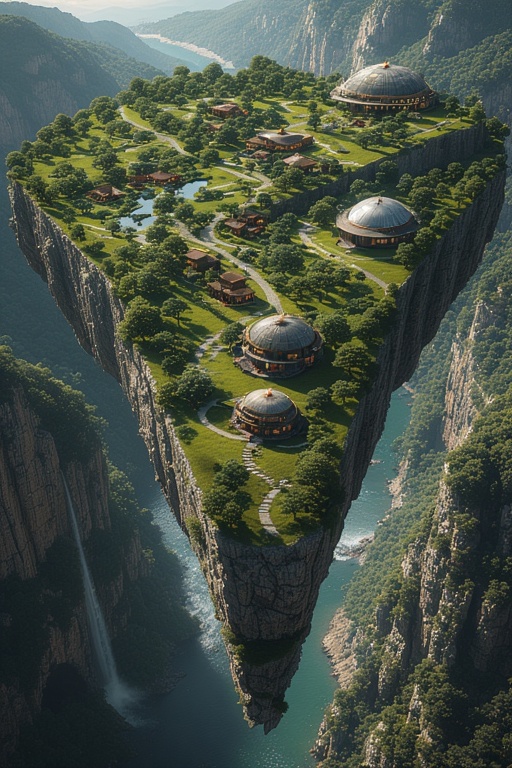
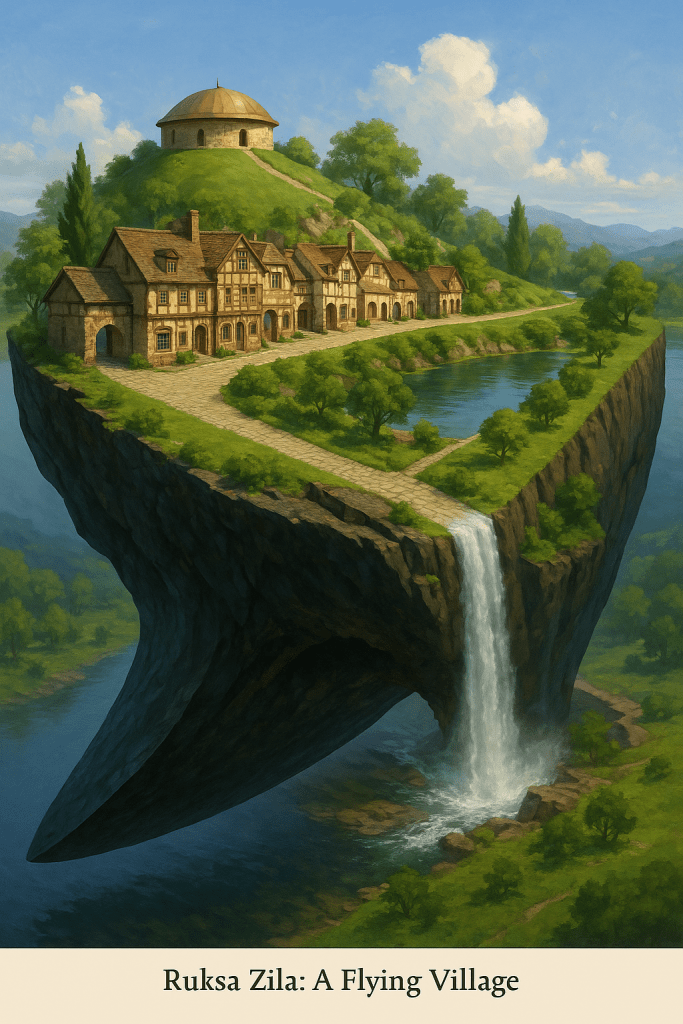
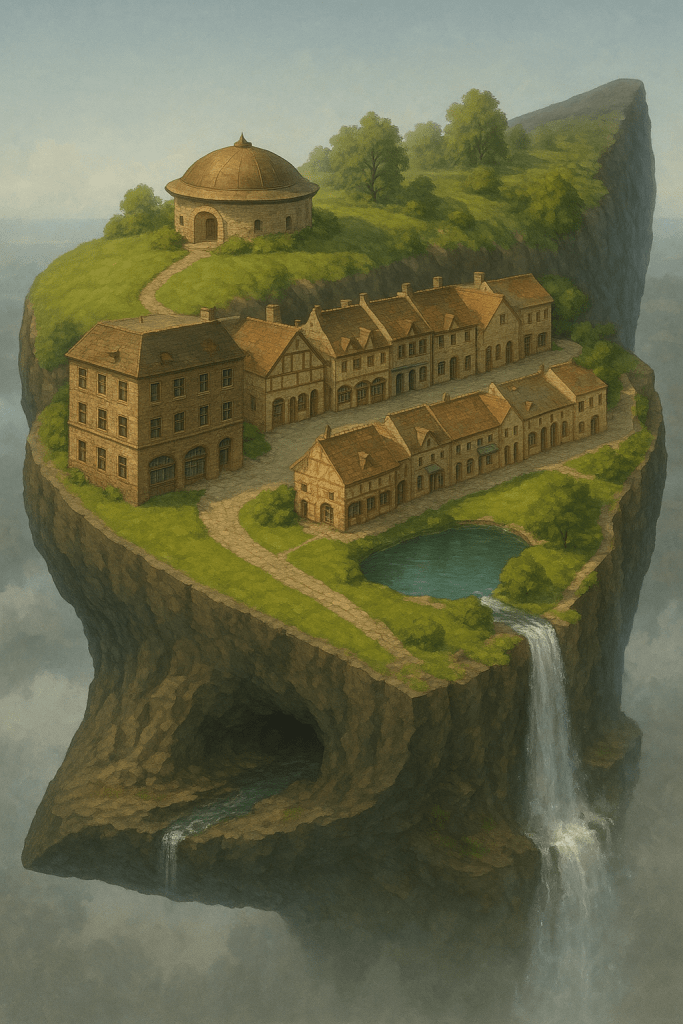
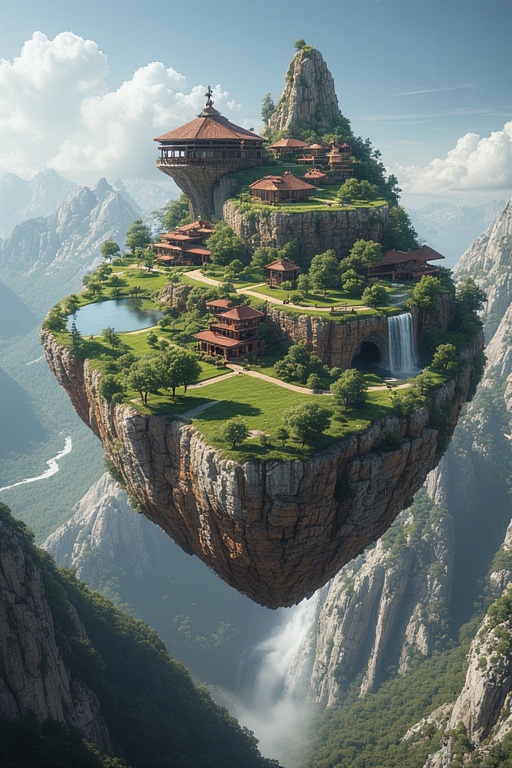
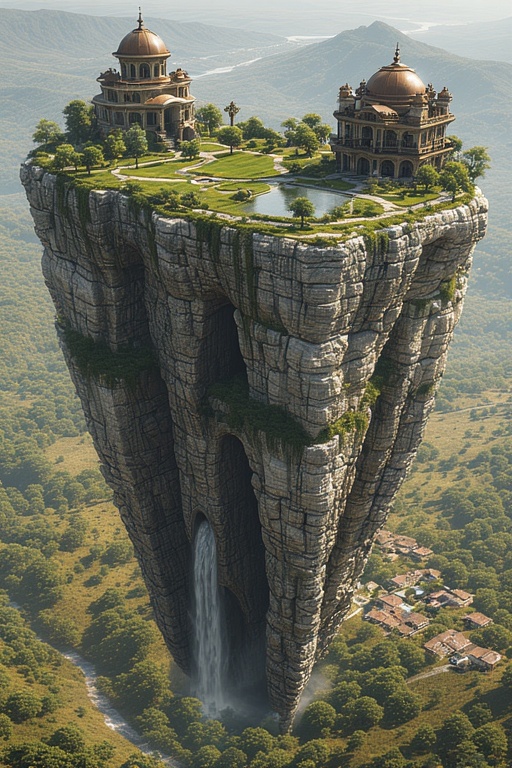
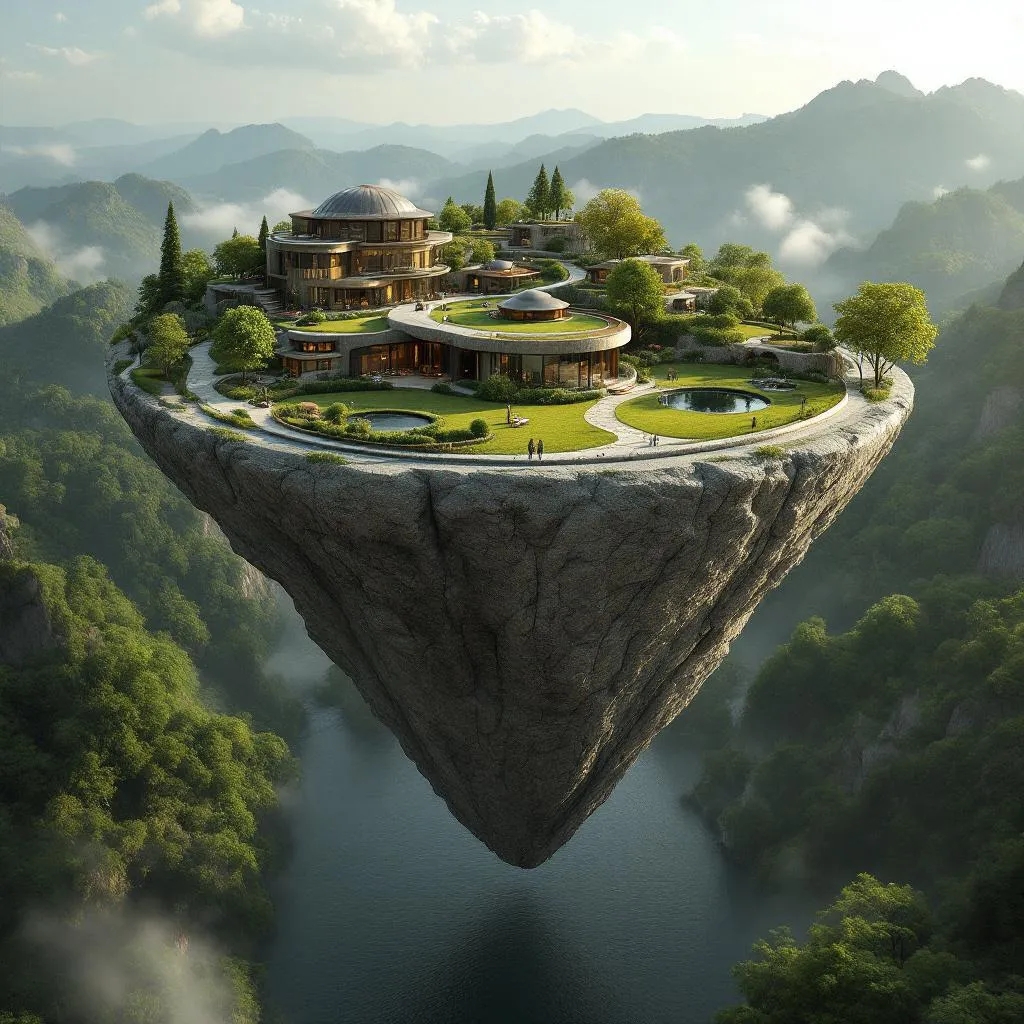
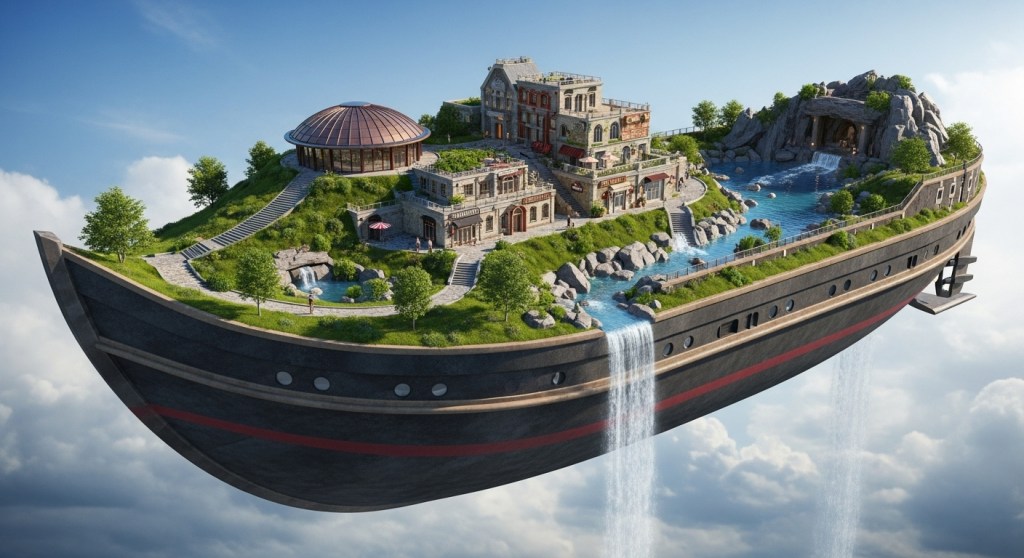
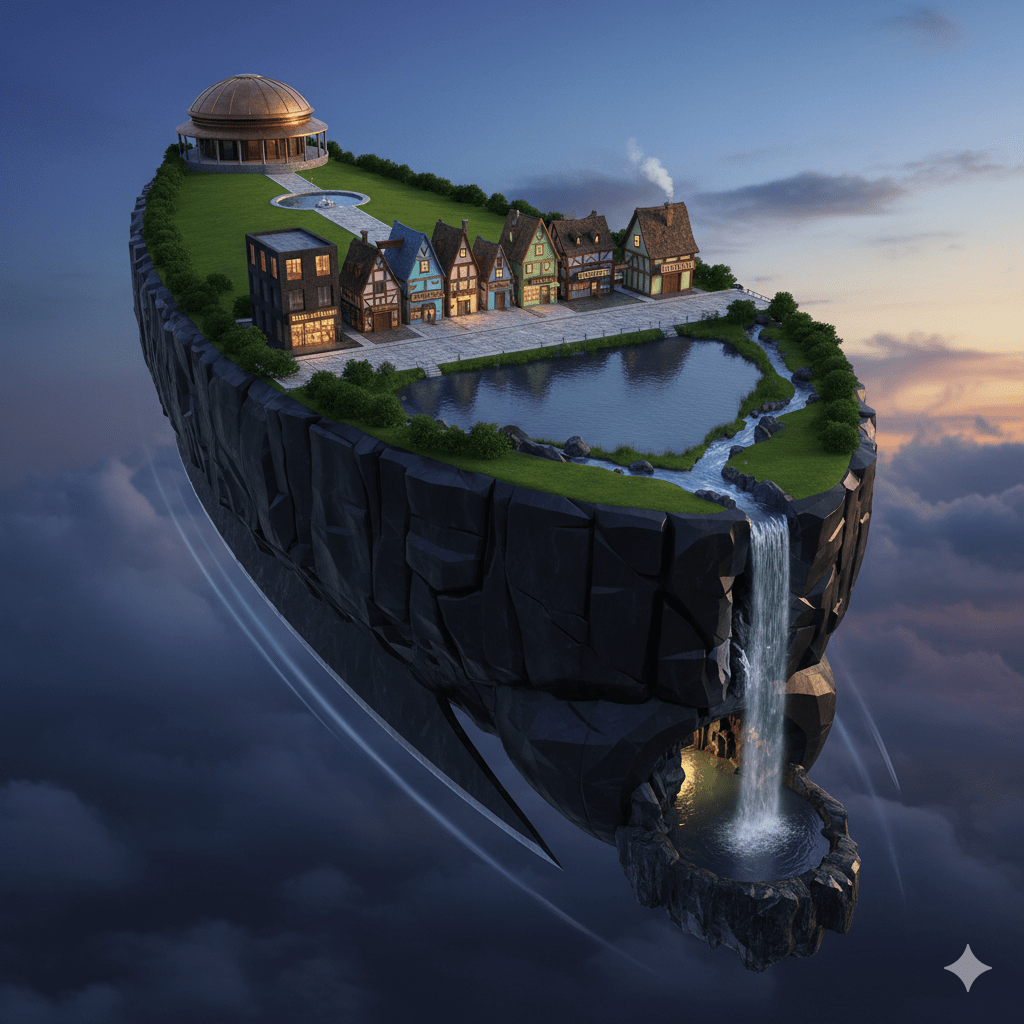
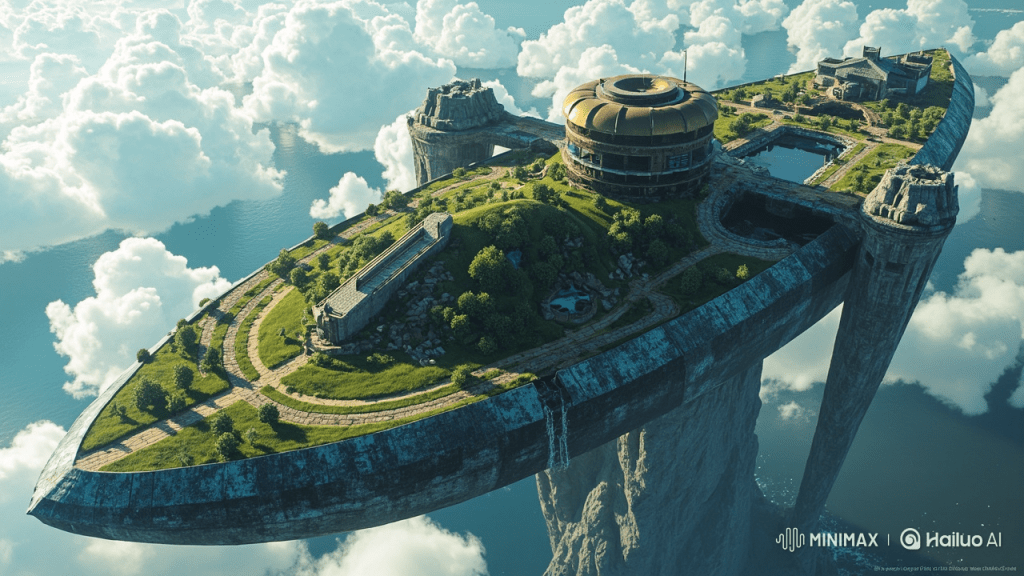
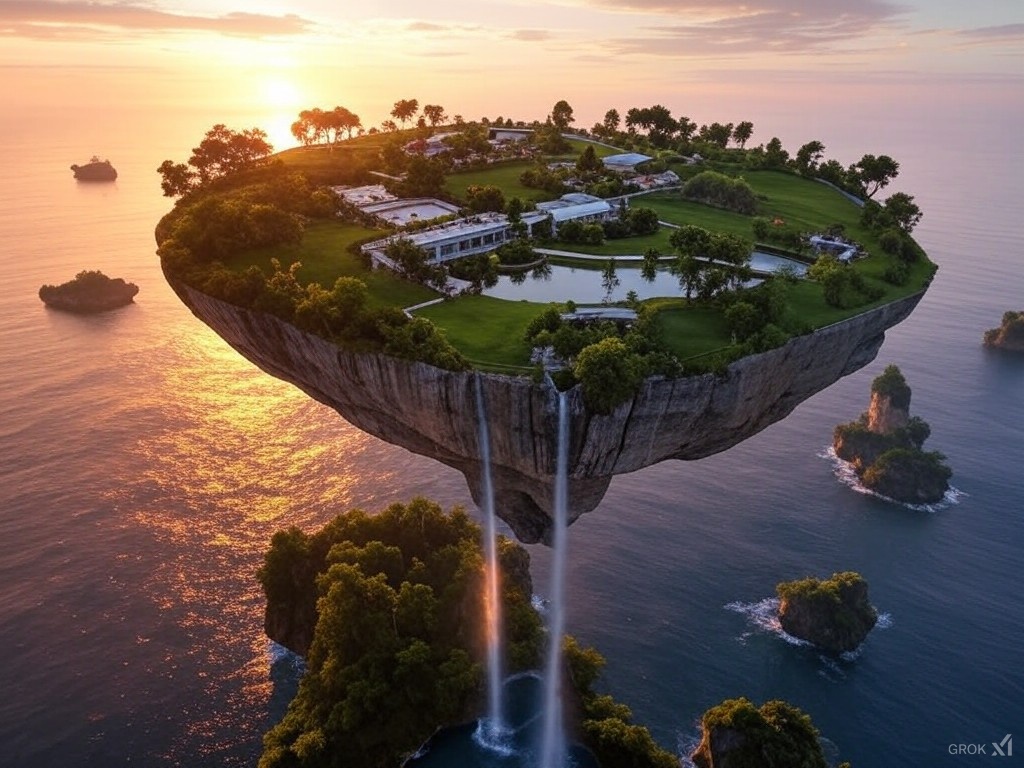
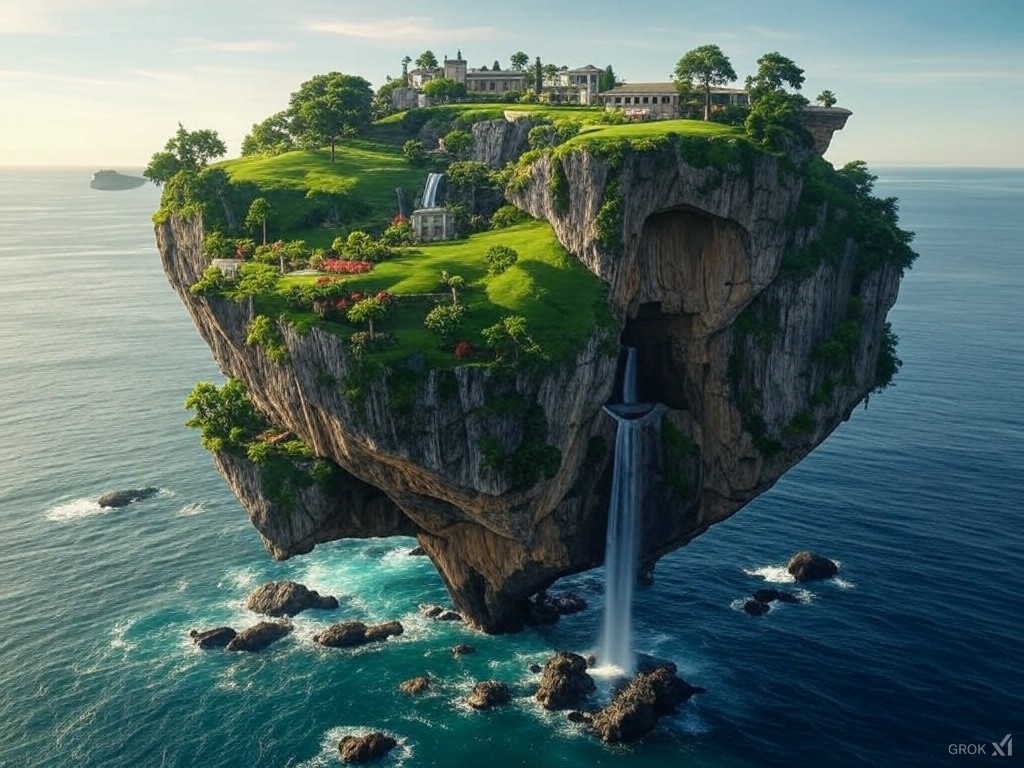
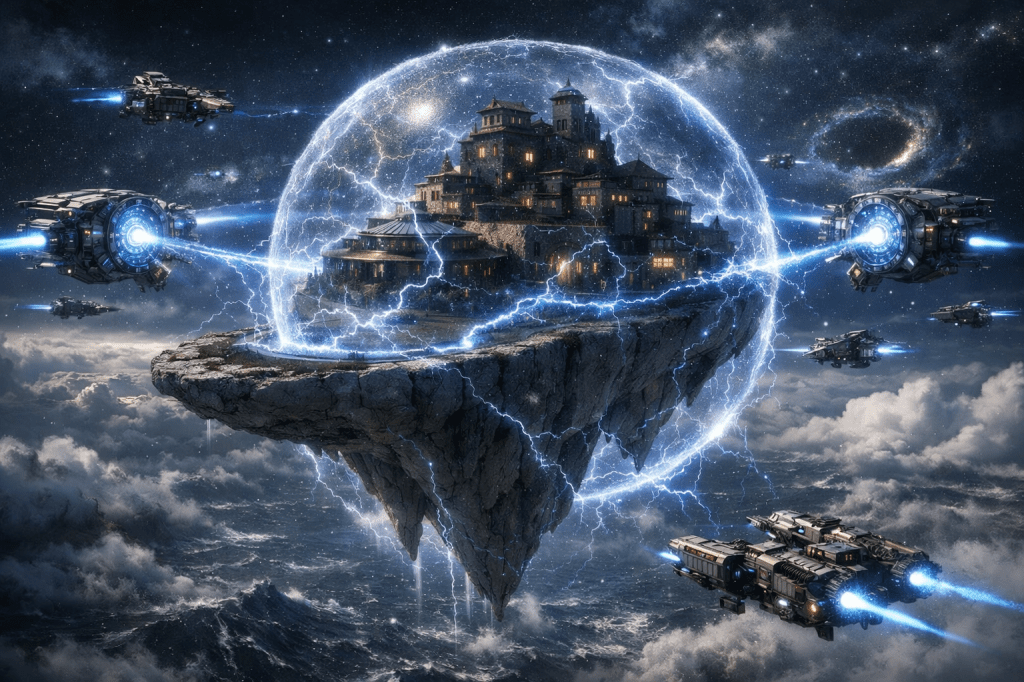
Full motion; center waterfall and underside of island
Immediate WTF hook. Don’t begin like an advertisement.
0:04–0:08
7a.png
Slow push toward Anye + Maroli + young man
Establish what kind of universe this is
0:08–0:12
2a(3).png
Push from joined hands toward Carmen/Brandon faces
I am prototyping in Capcut, after finding DaVinci too feature-rich for this project. See the attachment. Clip lengths are typically 4 seconds. I would add effects to the stills, except Capcut demands a pro subscription for every effect I’ve tried.
Maroli Tango Showreel ~ First cut
ChatGPT replied:
I watched the 43.8-second prototype. It is already answering an important question: the concept works without elaborate effects. The switch between genuinely moving material and strong chapter illustrations does not bother me. What makes the stills feel like stills is not the absence of flashy effects; it is simply the absence of camera motion.
The opening is particularly good. Holding the floating estate through roughly the first 8 seconds gives the instrumental intro its own visual idea, and then the first character image arrives as the song becomes human. I would keep that basic logic. Later, the long estate-motion section around 22–32 seconds gives the eye a useful reset before returning to characters.
I would not buy CapCut Pro merely for effects. For this project, most of the effects it is trying to sell you would probably cheapen the material anyway. What we want is ordinary cinematography: push in, pull back, pan, reframe.
You can do that with free keyframes
On a still in CapCut Desktop, select the clip and use the diamond keyframe controls beside Scale and Position in the Video/Basic transform controls. Put a keyframe at the beginning, move to the end of the four-second clip, change the scale or position, and CapCut interpolates the move.
For this material I would use only about four moves:
Slow push-in: start at the normal crop and end about 6–10% tighter. Best for faces and intimate scenes.
Slow pull-back: begin fairly tight and reveal the environment. Good for the fantastic-world images.
Lateral reveal: keep scale essentially fixed and slide the frame slowly sideways. Very useful because we’re converting wide chapter art to 9:16.
Two-shot pan: deliberately travel from one character/group to another. Use this sparingly when the original wide image actually contains two visual beats.
No preset animation or “effect” is needed.
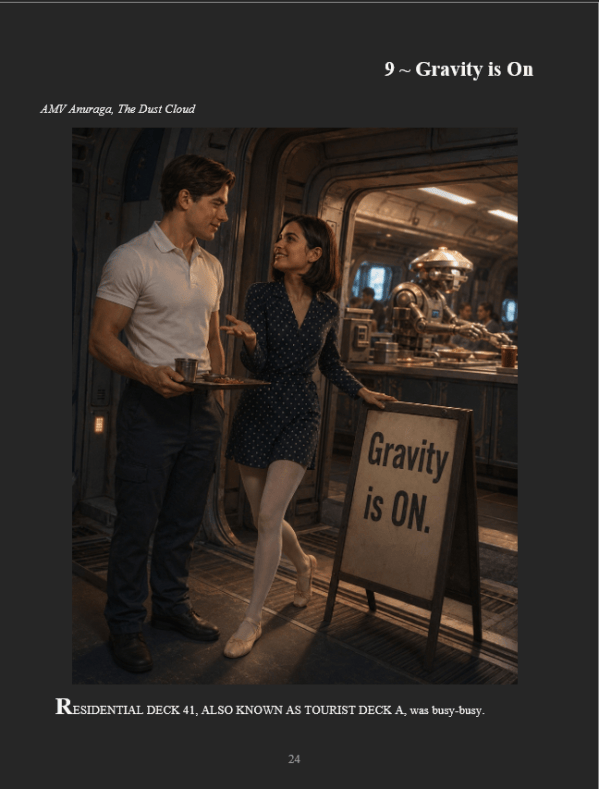
The Carmen/Brandon dance in your prototype, for example, wants a very small push toward their faces. The party image immediately after it could begin on the young couple and drift toward the Anye woman. The city-at-night Carmen/Brandon shot near 33 seconds could begin slightly wider and creep inward. The Gravity is ON image is almost made for a slight upward move from the sign toward their faces.
There is another free trick I like even better
Cut one still into two shots.
Instead of four seconds of continuous zoom, duplicate the image:
2.0 sec: medium composition 2.0 sec: hard cut to a tighter crop
That creates synthetic “coverage” from one illustration. On this Hall & Oates track, a punch-in on a musical accent can look much more intentional than a fancy transition.
For a landscape frame converted to vertical, we can also do:
2 sec: crop on character A 2 sec: cut to character B 2 sec: wider environmental crop
One illustration has suddenly supplied three shots.
I would mostly use hard cuts
The music is rhythmic enough to carry them. Fancy wipes, zoom transitions, light leaks and so forth aren’t necessary. In fact, the polished cinematic artwork benefits from plain editing.
A few dissolves may be useful for quieter affectionate material, but even those can be made manually with opacity keyframes if CapCut decides to put the transition you want behind Pro.
Your four-second default is good—but vary it
At 3:07, a rigid four-second cadence would give us about 47 shots. That’s actually close to the amount of material we have, but I wouldn’t let it become clockwork.
I would use roughly:
3–5 seconds for most stills 5–8 seconds for particularly good motion clips 1.5–2.5 seconds for comic/detail inserts 8 seconds occasionally when the music itself gives us a natural sustained passage, as your opening does
That creates apparent acceleration and deceleration without needing effects.
The current prototype illustrates this nicely. The cuts I see are approximately 8.2, 12.3, 16.3, 21.8, 31.8, 34.8, 37.8 and 42.9 seconds. The later sequence naturally becomes quicker. That’s much better than forcing every shot to four seconds.
One adjustment I’d make now
The roughly 10-second moving-estate passage at 21.8–31.8 is beautiful, but in the finished piece I suspect we’ll want either:
two different excerpts from that motion source with another image between them, or
about 6 seconds instead of 10.
Not because the shot isn’t good, but because an audience starts learning that “moving environment = wait here awhile.” We want motion clips to feel like little rewards that keep arriving unexpectedly.
The 8-second opening is different: it has the special job of introducing the entire universe.
So at this stage I would make the production rule:
Motion clips get actual motion. Stills get camera motion. Effects are optional.
That lets CapCut remain essentially a free assembly tool while preserving the visual quality of the illustrations.
And this prototype makes me more confident about the full 3:07 version than I was from the storyboard alone. It doesn’t look like a slideshow with video clips inserted. With subtle keyframing on the stills, it can read as one continuous visual language.
An early cold-open. Should I have left it in the book?
0 ~ Campfire Tale
Las Cruces, New Mexico
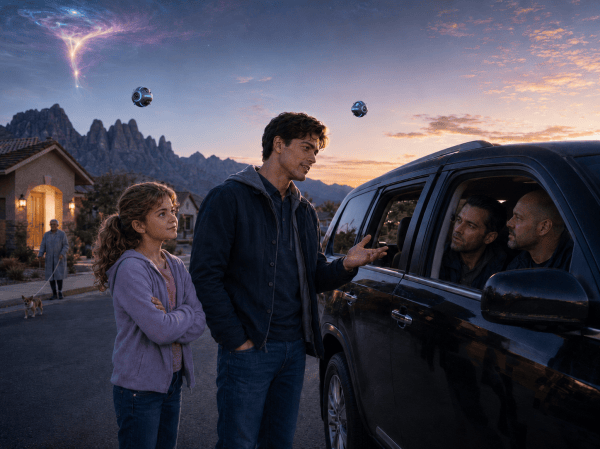
It was 6:03 AM Mountain Time, 26 minutes ahead of sunrise, 43 degrees Fahrenheit in town, 35 in the desert, mostly clear, the eastern sky shining pale blue with a tinge of pink.
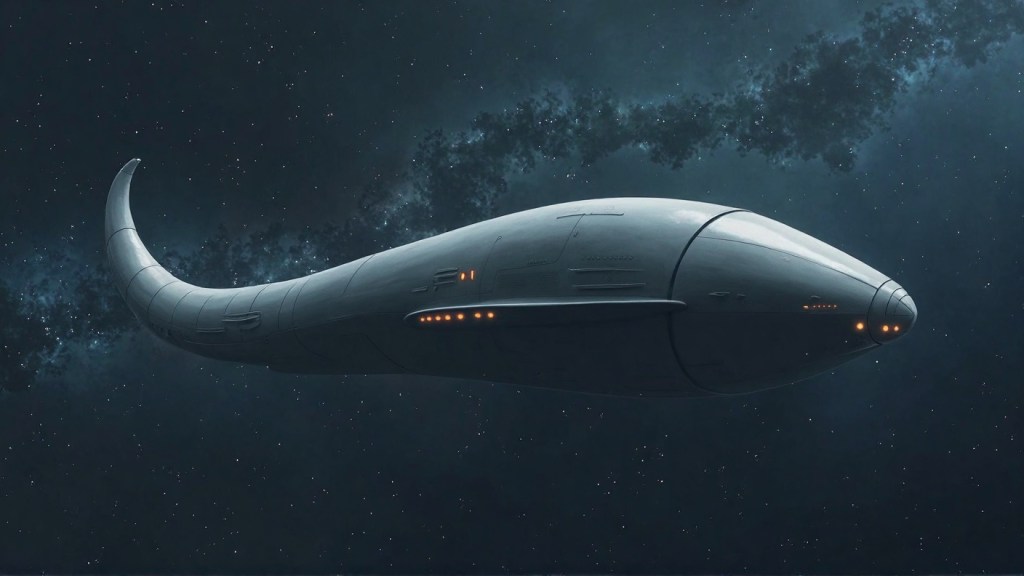
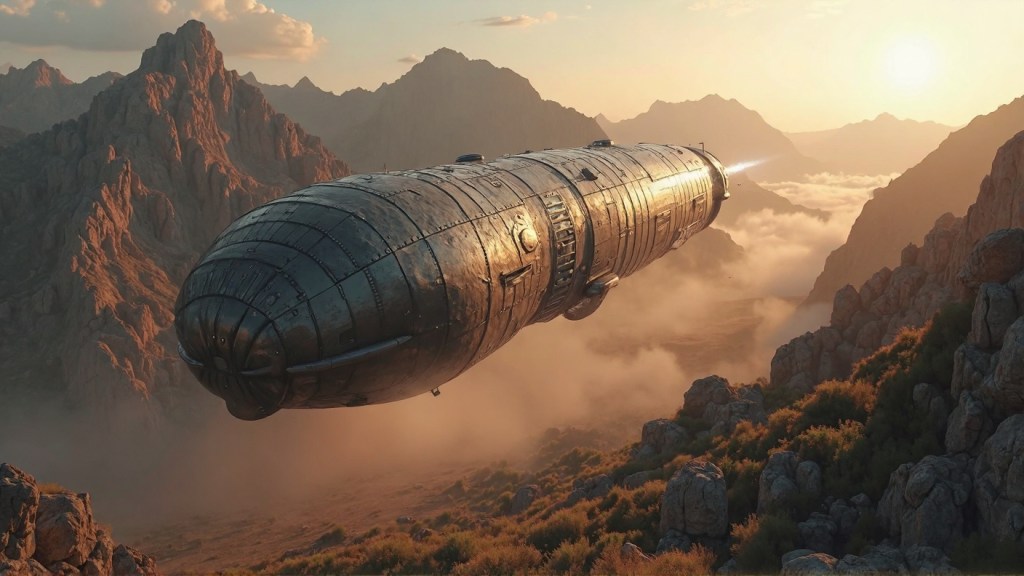
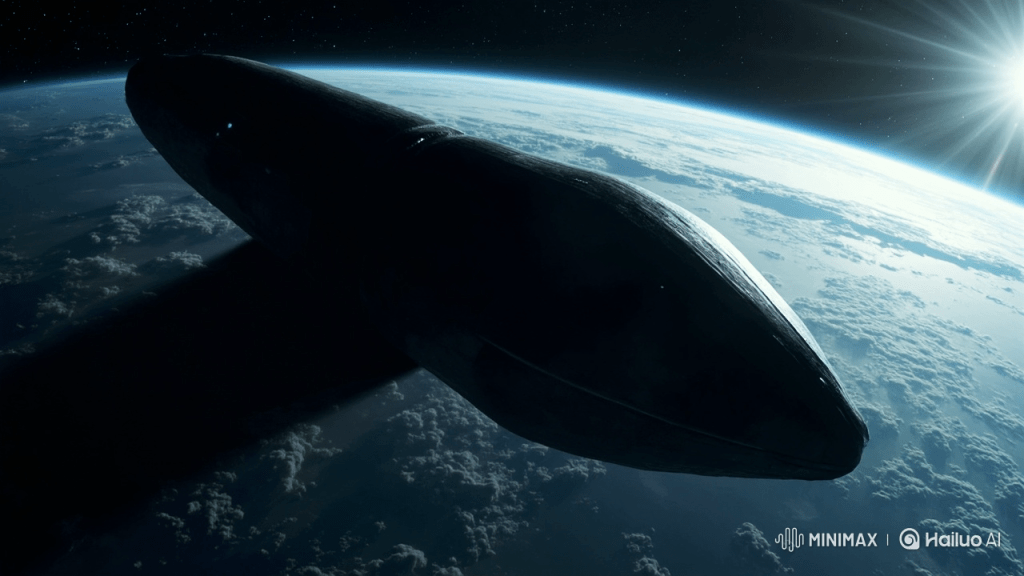
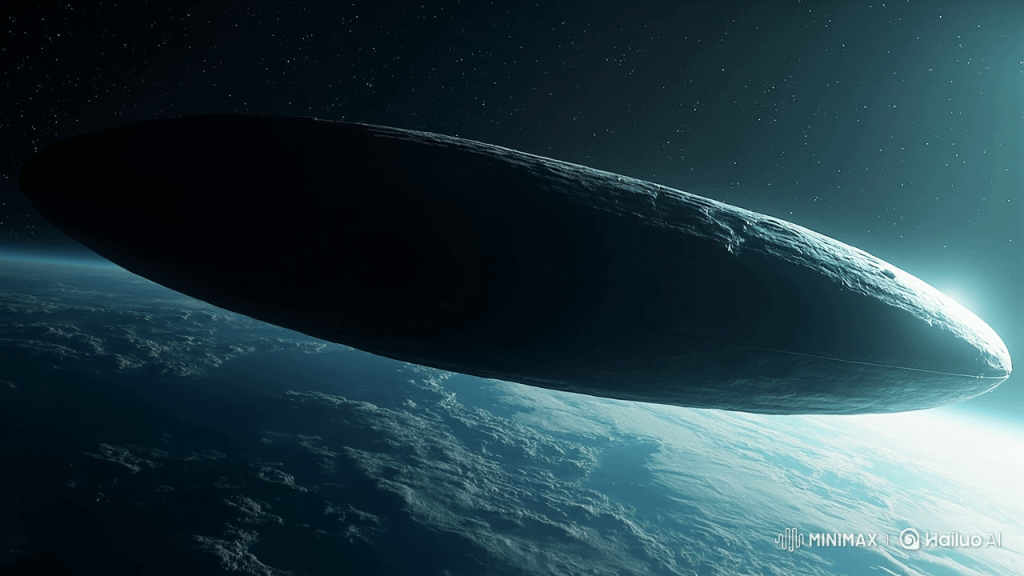
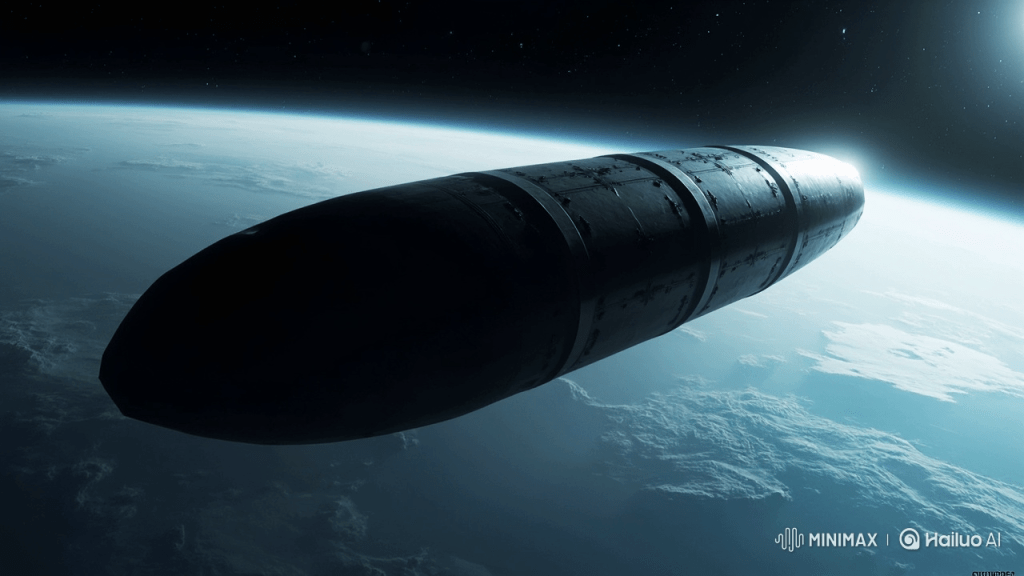
To the northwest, still dark and full of celestial wonder, a colorful ionized-gas display marked a position downrange of the solar system’s galactic path, where Star Forge Partners, a Jivada-based materials manufacturing company, was suctioning space dust into an electrostatically charged funnel.
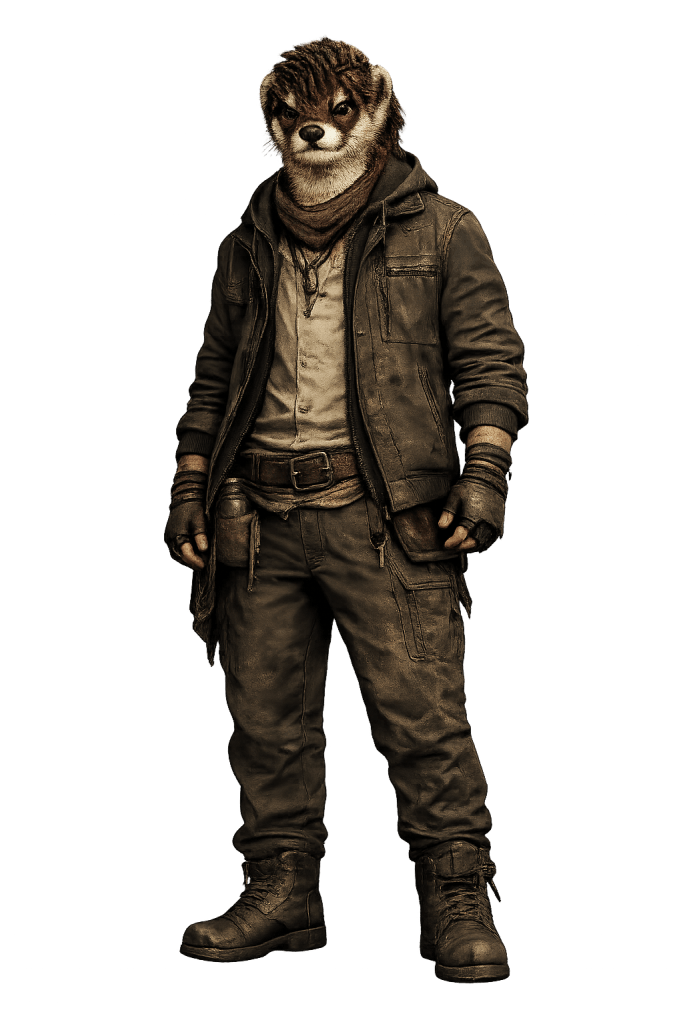
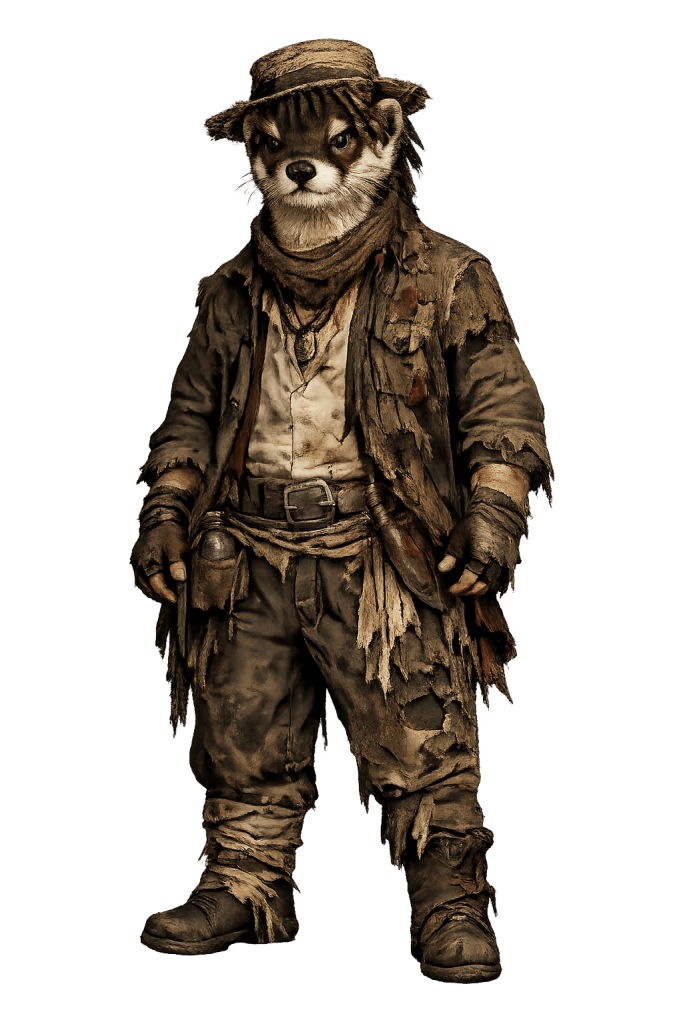
Furry aliens from outer space and their human partners, mitigating the potential of a cosmic-gas-fueled micro-nova burning half the Earth to a crisp, 15 years hence.
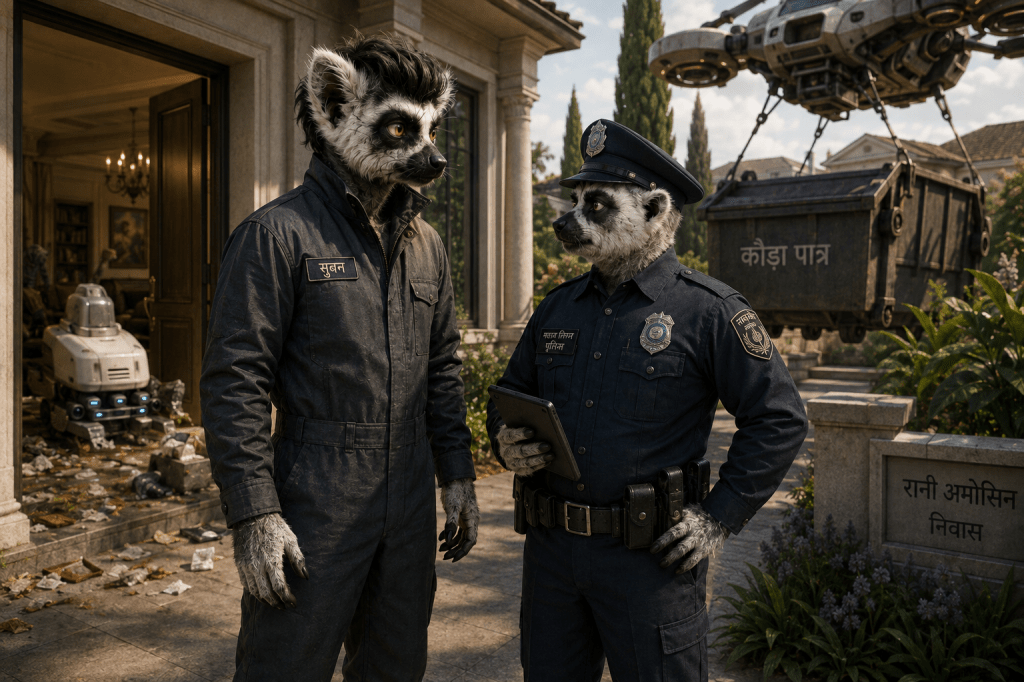
At street level, an Anye-tech fighting drone named Titter spotted a black Chevy Suburban taking a position near the Fowlkes residence.





Recent Comments