I did not retire from the work life for the purpose of toiling at another job. Writing is its own reward. In other circumstances, I would tend to be satisfied with unremarkable sales.
If I did not believe there is an audience for the opposite of ugly.
“Bring back wholesome,” says the book beat.
Dystopia is out. Optimism is in. The literacy crisis is overstated.
I should be in like Flynn — but I am not.
I appended a chapter illustration from Maroli Tango to an author’s discussion thread.
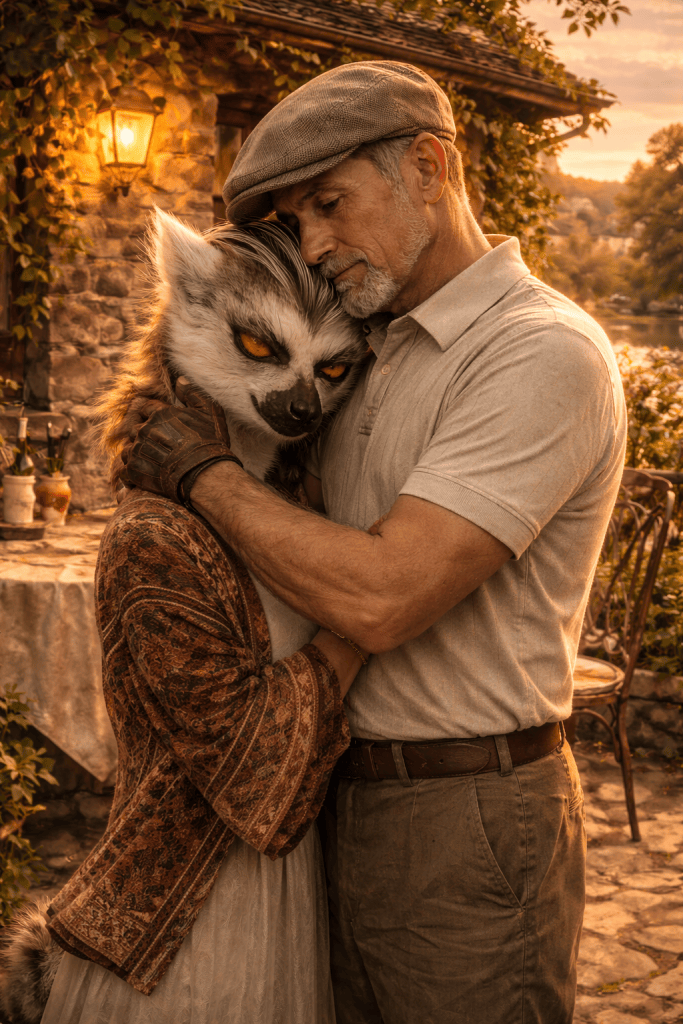
She replied, “I think this looks absolutely terible. There is no life in it. I cant explain why exactly. But I would not want to open a book with this image waiting for me in it. It’s weird.”
Maroli Tango is forty percent family drama, performed on a Science Fiction backdrop.
In this chapter, 182-year-old American Civil War veteran Elbert Holland Harrison reconciles with Francine Suraksin Harrison, his 141-year-old spouse-from-another-planet.
The sun was setting in the Loire River Valley when Ranger arrived at the Veronica Charron cottage.
The maroli twins Virgil and Chester bailed out early, waving lighted ground crew wands. Street traffic came to a halt.
Francine watched the final descent from the main hatch, shaking in her sandals, hanging on to Marie Jourdain’s arm as though gravity might fail, sending her pinwheeling into the sky.
Magic stairs unfolded. The next-door neighbors helped her down.
The wife said, “We showed your husband to the patio.”
Virgil entered the house through the front door. Francine went around the side by herself, knees weak, legs like rubber.
Elbert met her on the stone path, arms open. He hugged her tight, kissed her ears, massaged tension out of the space between her shoulder blades.
She leaned in, chin on his collarbone, murmuring, “If you take me back, I’ll never let you go.”
He whispered, “It’s settled, then.”
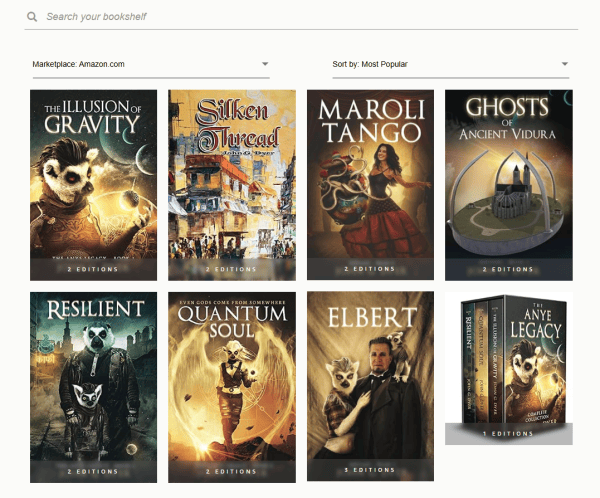
These books are not furry porn, okay? In 2012, when I started my Anye Universe series, I had no idea such a thing existed.
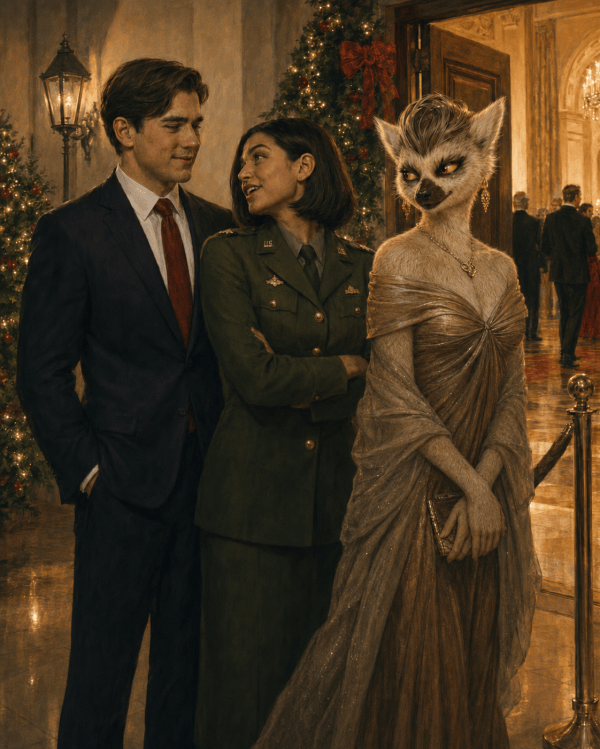
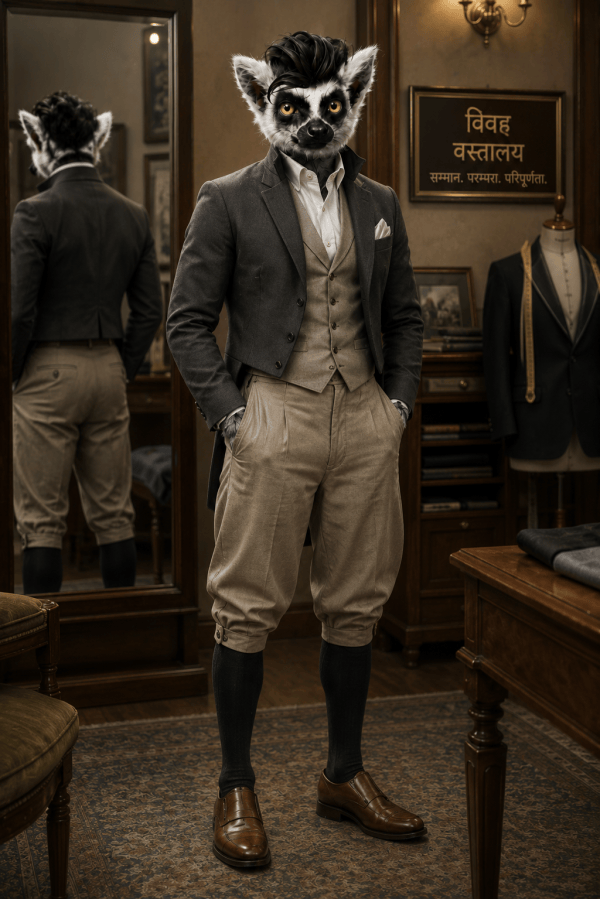
The Anye Adya are descended from lemurs, evolutionarily regressed due to an ancient gene tailoring accident. Had that not happened, one would be hard-pressed to distinguish Francine from a citizen of Greece.
Sure, it’s weird. It’s SF. Get your mind out of the gutter, for Pete’s sake.
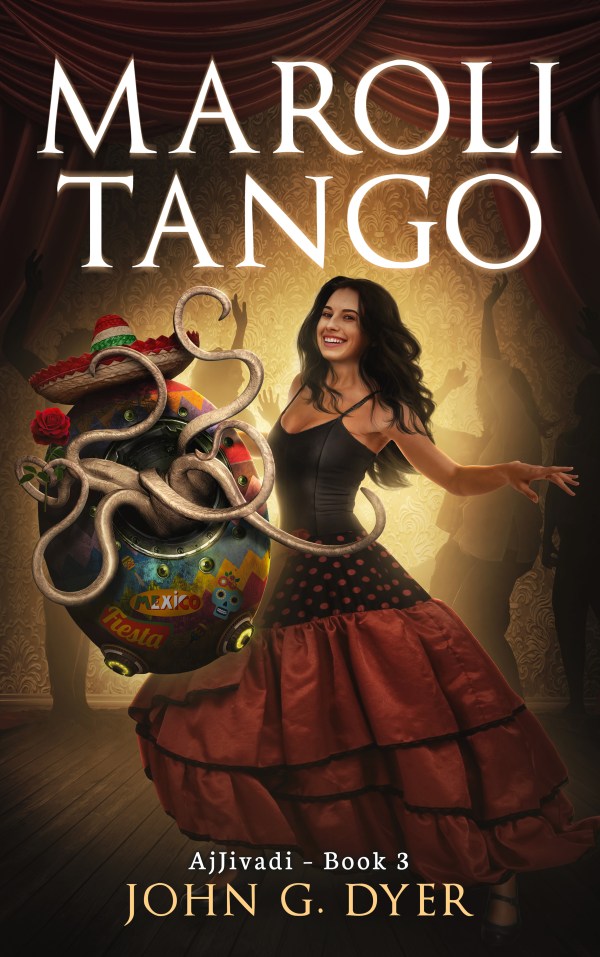
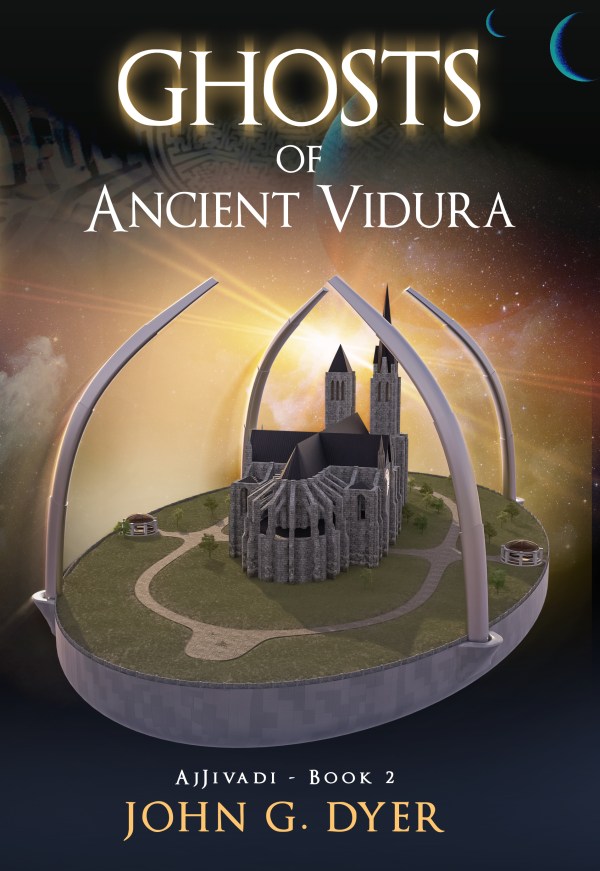
But I get it — how would you tell from the cover (featured image) what kind of book this is?
Fine. Here you go. It’s this kind.
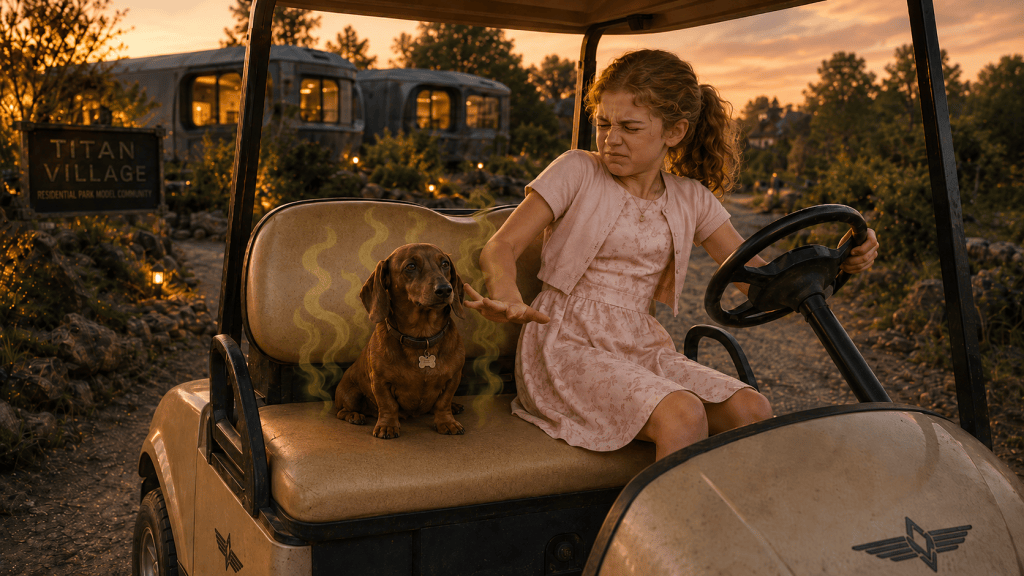
I hope that clears it up.







Recent Comments