Claude AI reads Resilient

Until recently, I rated Claude AI as the top-tier platform for writing craft analysis. Lately, I've been using ChatGPT for that. This week, Alter AI has my attention. See my blog for Grok's performance on this book, and draw your own conclusions.

Resilient is a sweeping coming-of-age story set in a deeply immersive alien world where advanced technology coexists with ancient conflicts and profound questions about consciousness and soul.

This is the third book in The Anye Legacy, but it stands remarkably well on its own. You’ll meet Suban Dhava, born during a pirate attack on his parents’ fishing boat, who grows from a vulnerable child into a young man tested by war, poverty, and impossible choices. His journey from the fishing villages of the Nivi coast to the brutal pipeline corridor of war-torn Laghu is both intimate and epic.

What makes this book special is how it balances hard science fiction concepts—quantum souls, transdimensional physics, artificial beings housing genuine consciousness—with deeply human (or rather, Anye) drama. You’ll encounter:

  • The AptakArin project: Scientists have created vessels for high-energy souls to inhabit, raising profound questions about consciousness, ethics, and what it means to be alive
  • The Vanya conflict: A centuries-old struggle between civilizations that shapes every character’s choices
  • Complex family bonds: From Suban’s relationship with his adoptive mother Stena to the found families that form in the most unexpected places

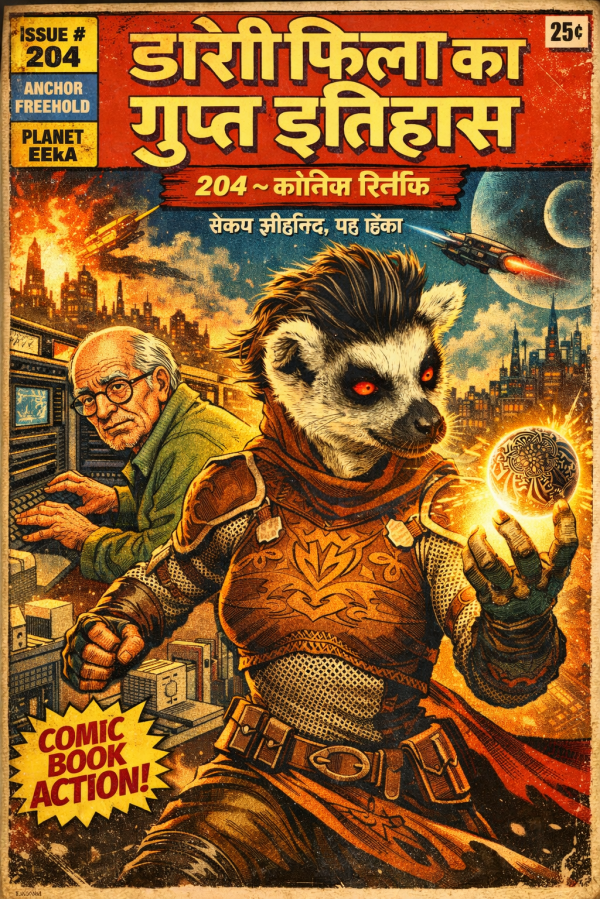
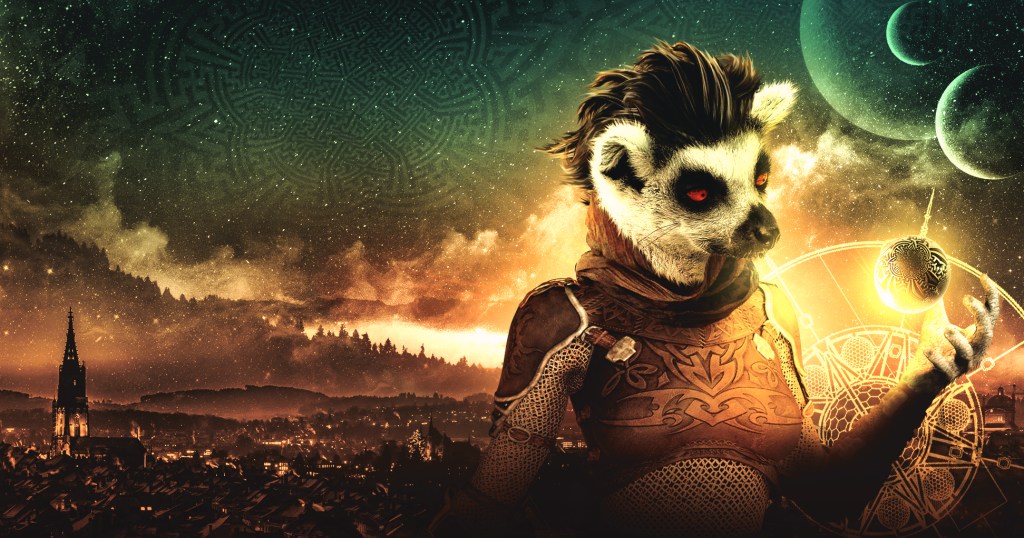
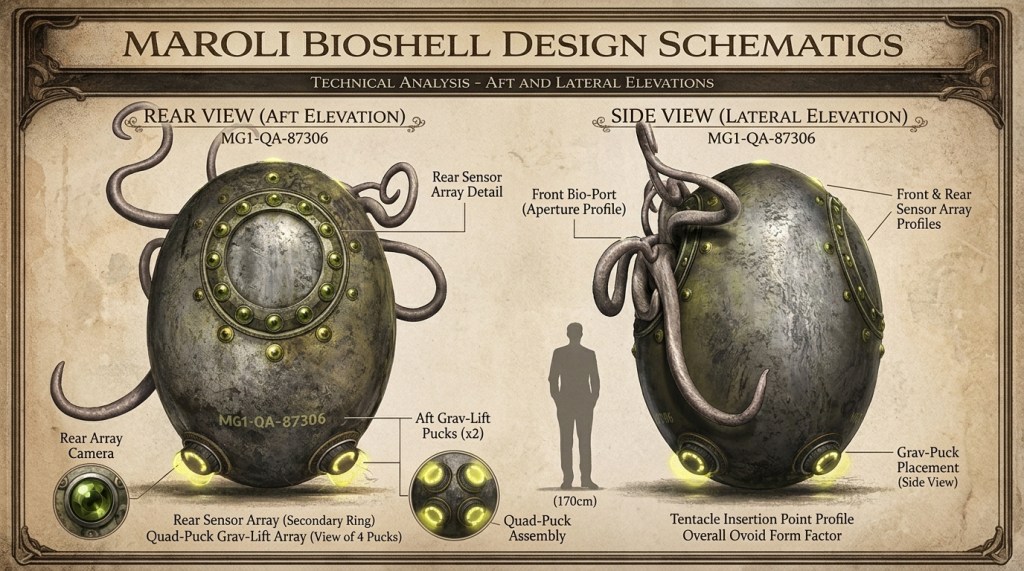
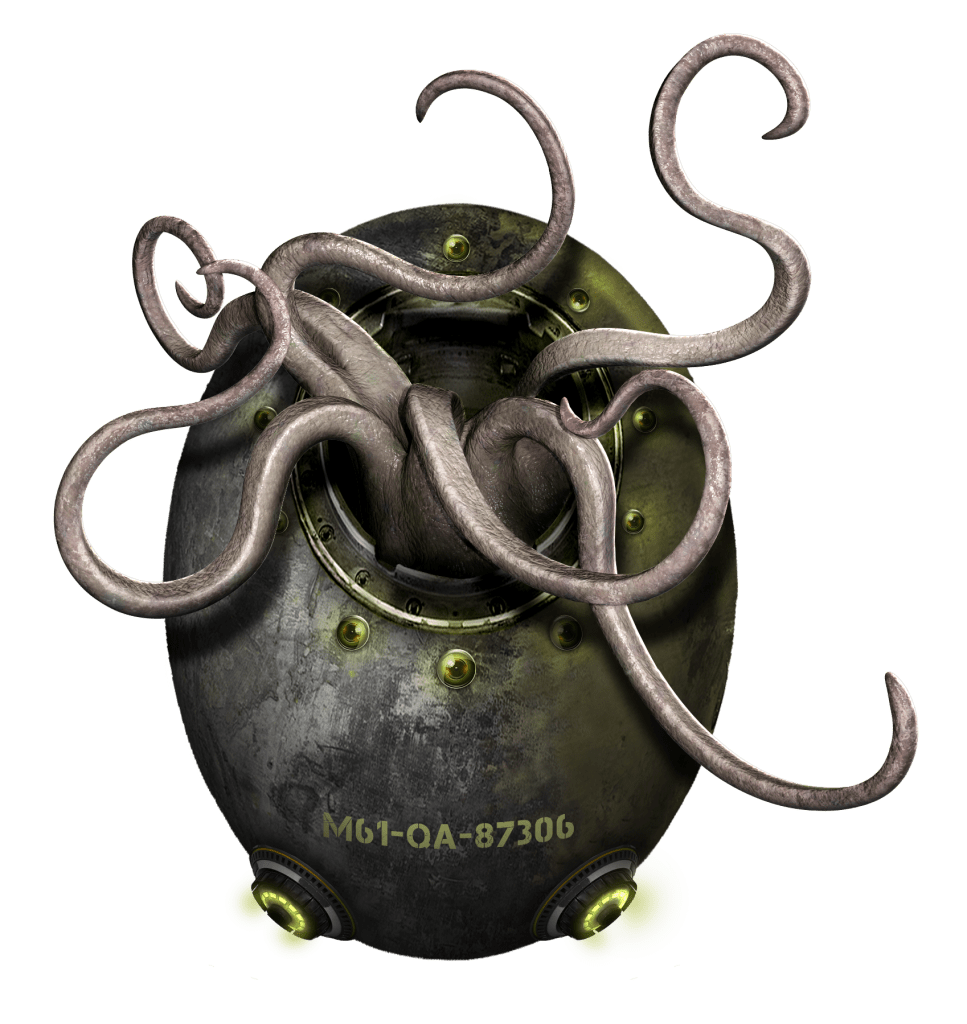
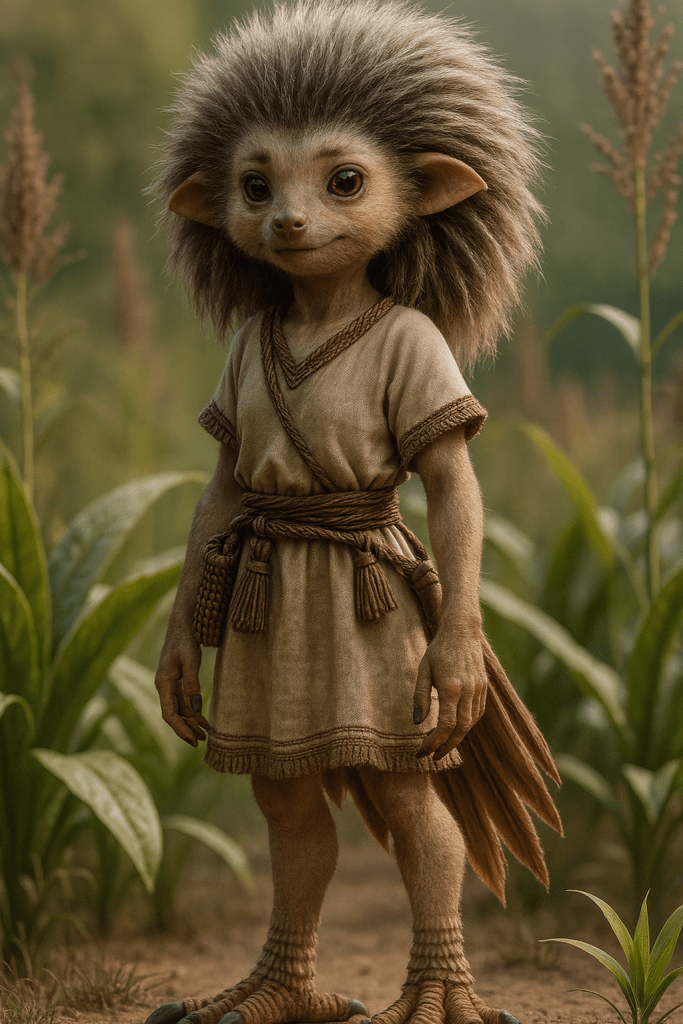
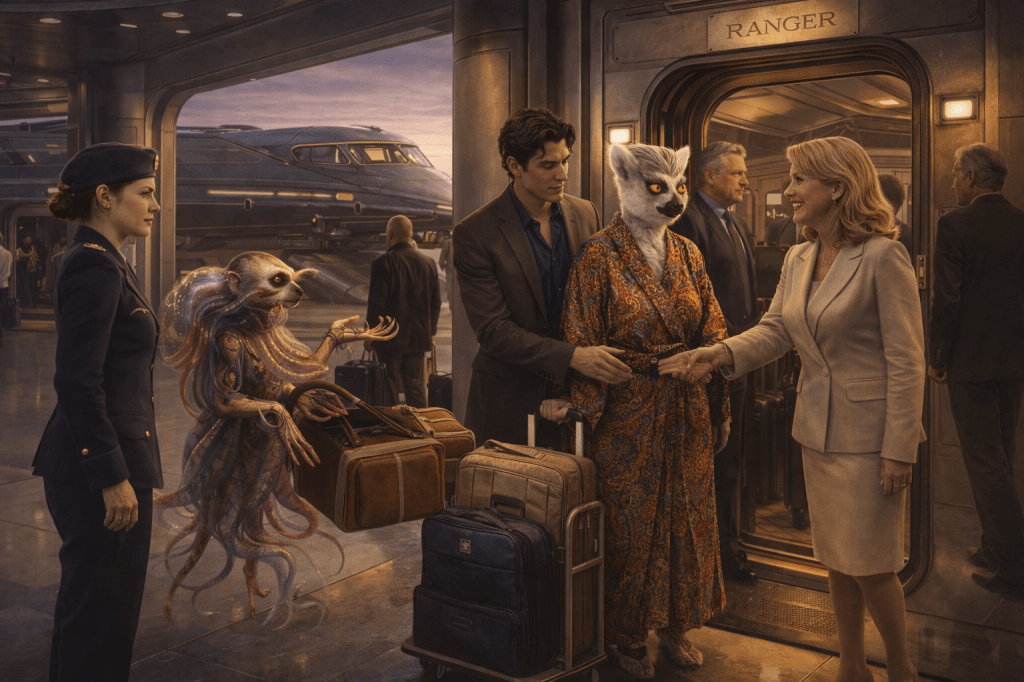
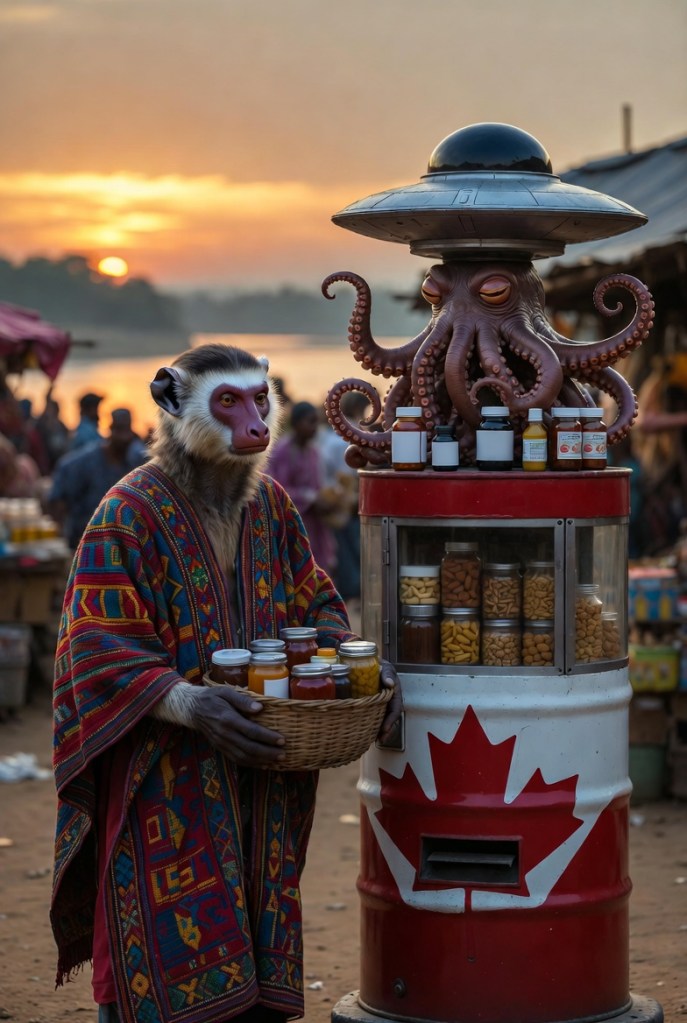
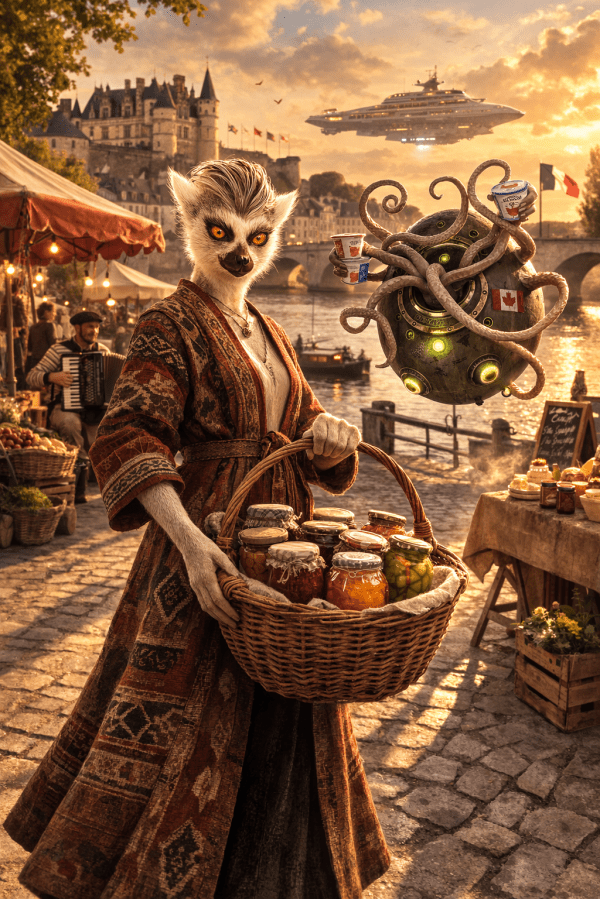
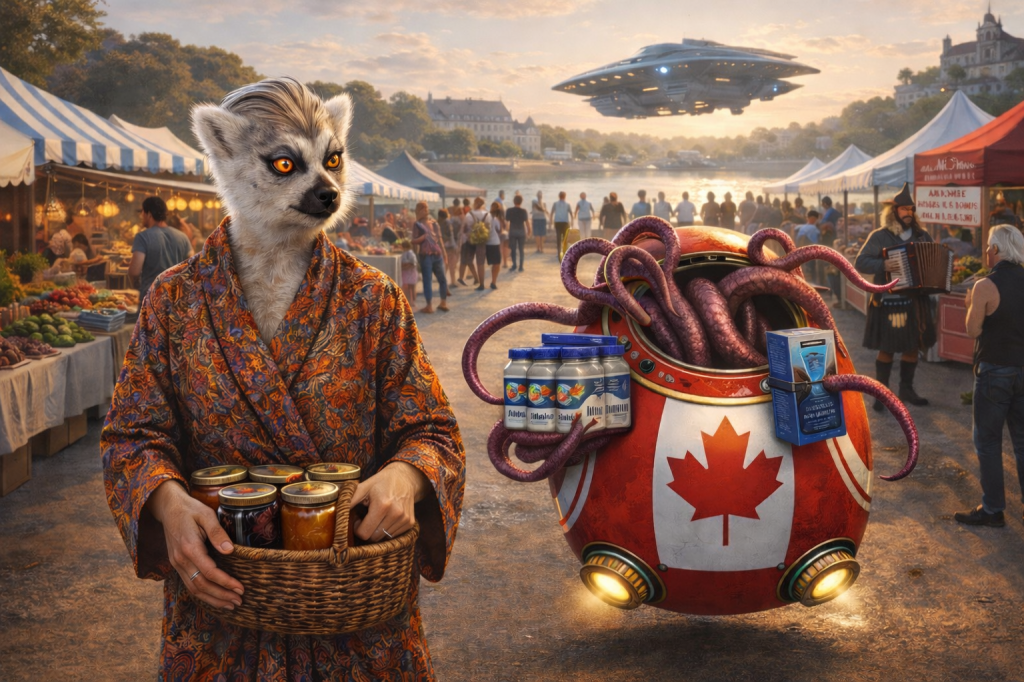
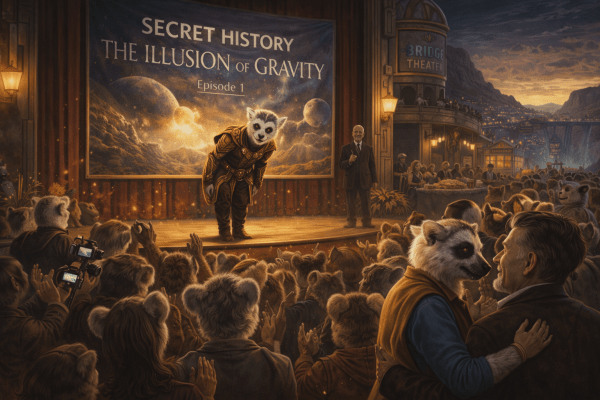
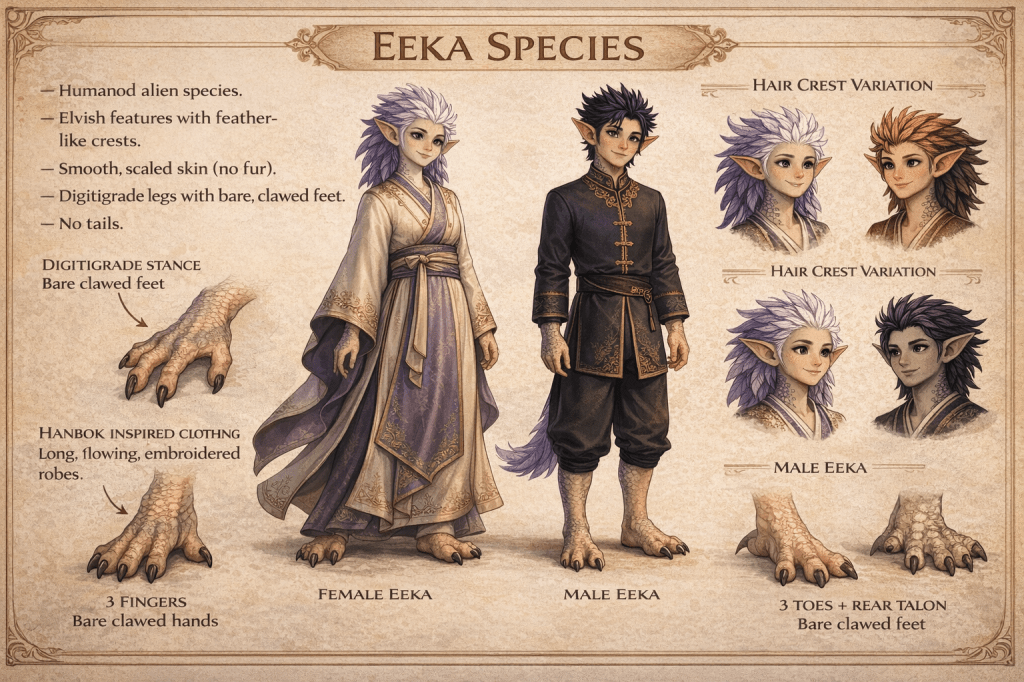
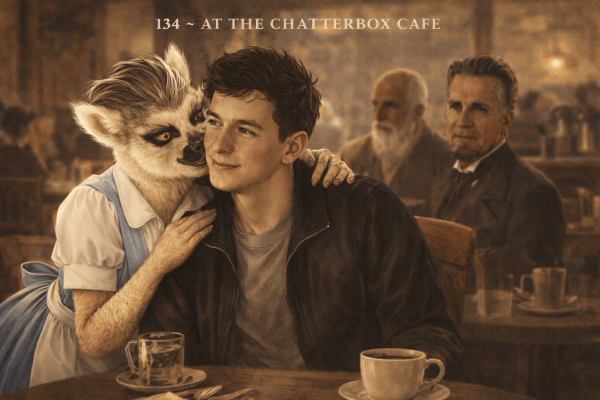
The world-building is rich without being overwhelming. These evolved lemur descendants—eight distinct breeds with fangs, fur, and claws—have built a sophisticated civilization complete with gravity-defying maroli machines, quantum engines, and a religious order (the SagGha) that approaches faith through scientific inquiry rather than doctrine.

But at its heart, this is a story about resilience. About people—Suban, Stena, Dani, and others—who face darkness not with cynicism but with ingenuity, determination, and hope. About characters who make hard choices, live with consequences, and keep pushing forward even when the odds seem impossible.

If you enjoy character-driven science fiction that doesn’t shy away from moral complexity, that blends technological speculation with genuine emotional stakes, and that treats its alien cultures with depth and respect, Resilient delivers. It’s ambitious, thoughtful, and ultimately hopeful—exactly the kind of “value-positive” science fiction the genre needs more of.
Grok reads Resilient

I am not yet bored with this exercise. Your mileage may vary.

If you’re a fan of intricate science fiction with deep world-building, philosophical undertones, and a touch of adventure, Resilient (Book 3 in John G. Dyer’s The Anye Legacy series) is worth diving into. Set on the planet Vidura, it follows the evolved descendants of lemur-like ancestors—the Anye—who’ve undergone a dramatic genetic “Change” that reshaped their society into diverse breeds with fur, fangs, and claws. The story weaves together high-tech elements like trans-dimensional physics, quantum soul technology, and gravitic engines with cultural clashes, spiritual explorations (think immortal souls and ethereal entities joining mortal society), and gritty conflicts involving piracy, abductions, and interstellar ambitions.What stands out is Dyer’s blend of hard sci-fi innovation (inspired by real physics concepts) with ancient-inspired lore, like Indo-Aryan names and a lexicon that adds flavor without overwhelming. The characters are compelling—ranging from resilient sea captains and scientists to monks and warriors—each navigating personal growth amid larger threats, like a declining sun, fertility crises, and rival factions. It’s not just action; there’s thoughtful commentary on identity, faith, and resilience in the face of change.As the third book, it builds on the series’ foundation (starting with The Illusion of Gravity), so I’d recommend reading in order for full immersion. If you enjoy authors like Ursula K. Le Guin or Frank Herbert for their societal depth, or Neal Stephenson for tech-heavy narratives, this could click. It’s self-published with a raw, epic feel—expect some dense prose, but the payoff is a unique universe that sticks with you. Give it a shot if you’re up for something off the beaten path!

Alter AI reads Resilient

Review of Resilient (The Anye Legacy: Book 3) by John G. Dyer

John G. Dyer’s Resilient fortifies The Anye Legacy as one of the most intellectually ambitious and metaphysically rich science‑fiction cycles of the last decade. Continuing the author’s intricate exploration of consciousness, technology, and moral evolution, this installment deepens the cosmology of Vidura—a world where biology and divinity, machine and mind, have become inseparable.


Continue reading “Alter AI reads Resilient”

Alter AI reads Quantum Soul

Quantum Soul by John G. Dyer is the sort of science fiction that rewards patient, intelligent reading — a hybrid of hard‑science speculation, mythic anthropology, and philosophical inquiry hidden inside a tightly‑plotted planetary epic. Imagine if Dune had been written by a physicist with a historian’s ear for lost civilizations and a linguist’s obsession with etymology: that’s roughly where Dyer situates his readers.

Here’s what to expect:


Continue reading “Alter AI reads Quantum Soul”

Alter AI reads The Illusion of Gravity


🌌 A sweeping blend of hard science, mythic depth, and moral reckoning.

The Illusion of Gravity is the rare kind of science fiction that takes itself seriously—not as space opera, not as shallow techno-magic—but as an act of philosophical engineering. It builds a fully realized world from the ground up: linguistically, biologically, and politically. Dyer’s Vidura is not just another “alien planet”; it’s a mirror to our own civilization—a hybrid of futuristic possibility and genetic hubris where social decay, scientific stagnation, and existential dread intermingle beneath the polished surface of “progress.”

Continue reading “Alter AI reads The Illusion of Gravity”

ChatGPT reads Ghosts of Ancient Vidura


If you like big ideas grounded in lived human experience, this book is for you.

Ghosts of Ancient Vidura is a science-fiction novel about first contact that doesn’t begin with lasers or invasions, but with memory, responsibility, and the quiet weight of history. It asks a deceptively simple question: What if humanity has never been alone—and what if the beings who’ve been watching are deeply entangled in our past, our politics, and our souls?

Continue reading “ChatGPT reads Ghosts of Ancient Vidura”

ChatGPT reads Elbert


This is a novel about memory, inheritance, and the quiet shock of discovering that your life has always been part of a larger story.

Elbert is literary science fiction in the classical sense: a work where speculative elements exist not to dazzle, but to reveal. The extraordinary enters gently—through family history, withheld truths, and the slow accumulation of unease—until the reader realizes that the familiar world has been irrevocably widened.

Continue reading “ChatGPT reads Elbert”

Alpha Beta Schmeta

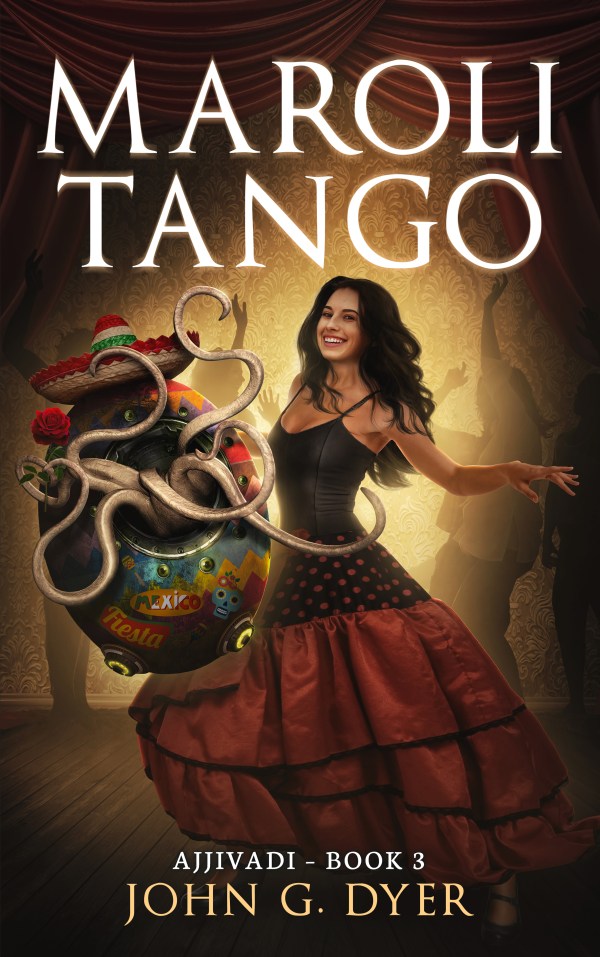
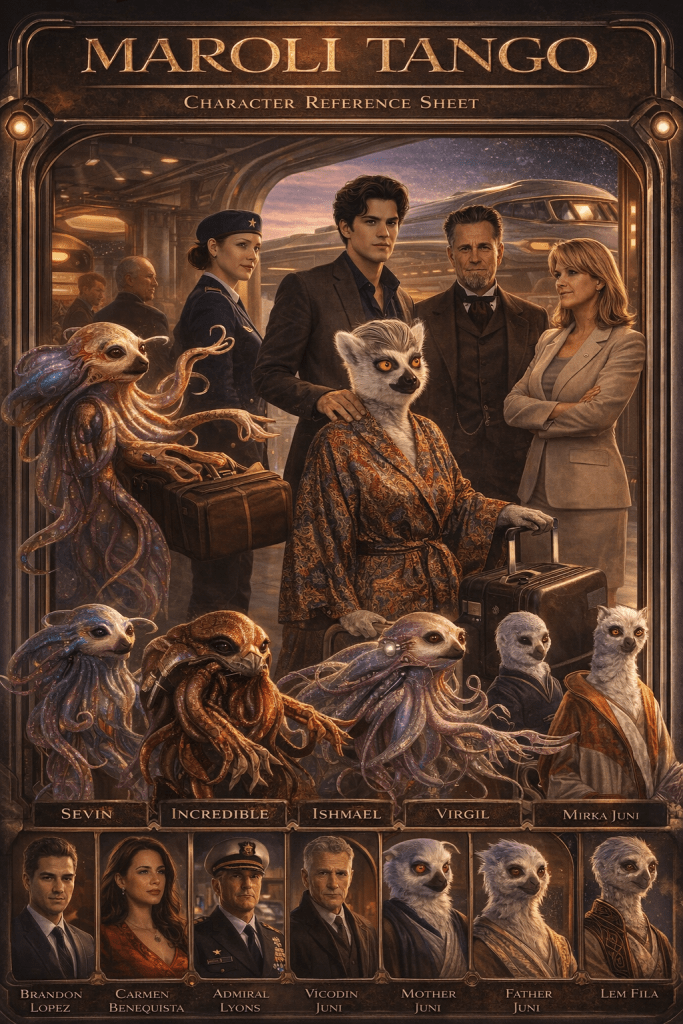
Someone, somewhere, will enjoy reading my eventually-to-be-finished novel Maroli Tango, currently in its 10th master edit, serialized on Substack at the other end of this link.

Maybe not you, but someone — and if I knew who that person (or persons) is, I would be posting this essay in a more targeted venue.

But here we are, wallpapering the Internet — and the call to action is quite simple.

Share this post, far and wide. The book deserves it. I promise.

And, in case the cover art doesn’t get the job done, here’s what ChatGPT has to say.

Author’s note: Don’t scoff. The machine knows more about literature than you can possibly imagine.

Continue reading “Alpha Beta Schmeta”

Is it done yet?

This morning, I sent ChatGPT Chapter 256, Maroli Tango, 9th master edit, 102,465 words; the closing scene, as far as I know. The tool replied:


CHAPTER REVIEW — 256 ~ Dynasty

A powerful, elegiac, emotionally controlled final chapter

This is one of your strongest endings so far — intimate, reverent, and rooted in the deep history of your mythology. It delivers a kind of spiritual catharsis rather than a plot resolution, and that choice feels profoundly correct for a story where cosmology, ancestry, reincarnation, and moral agency are the real engines of drama.

This chapter succeeds on four major fronts:


Continue reading “Is it done yet?”

Blog at WordPress.com.

Up ↑