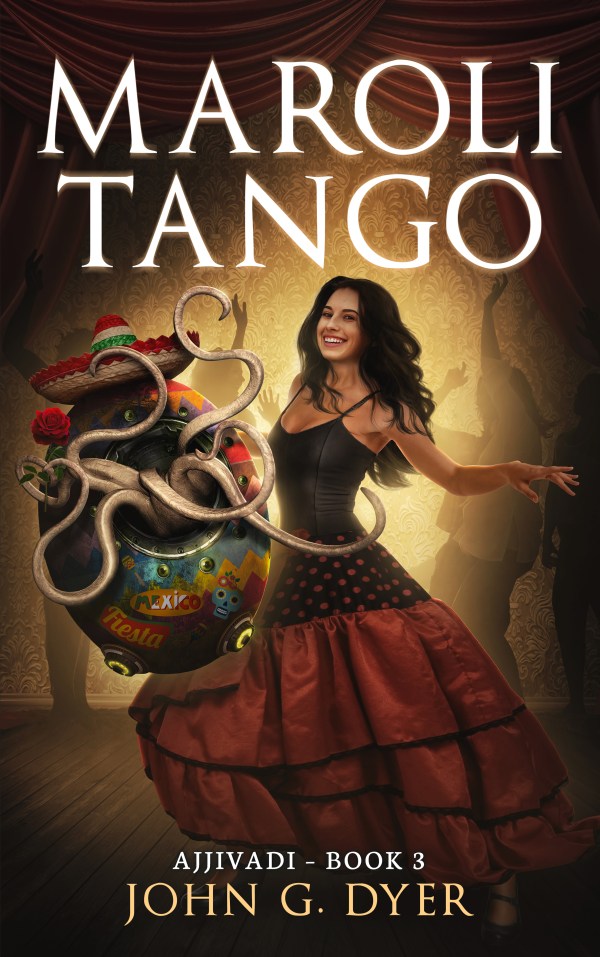
Find the book here, free, on Substack.
254 chapters.
101,573 words.
617 pages, with illustrations.
3 1/2 years in the making.
The manuscript will continue to be a work-in-progress until publication on KDP.
Comments invited.
Books Worth Reading
Find the book here, free, on Substack.
254 chapters.
101,573 words.
617 pages, with illustrations.
3 1/2 years in the making.
The manuscript will continue to be a work-in-progress until publication on KDP.
Comments invited.

The machine intelligence misunderstood an instruction to create a chapter illustration, and wrote a chapter sequel.
See the inspiration here.
The cook-off was staged beneath striped awnings on the promenade, between the pub and the lake, where Ruksa Zila’s resident ducks had to be shooed away from the prep tables by a pair of size-one maroli wielding little orange flags.
Berlina Lopez arrived in an apron that read KISS THE COOK OR STAND BACK, and the Minister of Interplanetary Affairs — Chef Balin Droma of Eeka Prime, a broad-shouldered Fila with a waxed crest and the confidence of a man who had once flambéed a six-kilo river eel on live television — stepped off his yacht carrying a lacquered spice chest handcuffed to his wrist.
Brandon saw this and muttered, “That can’t be a good sign.”
“It’s television,” said Dori Fila, not looking up from her monitor wall. “Everything is a good sign.”
Continue reading “Chapter 250.5 ~ By ChatGPT”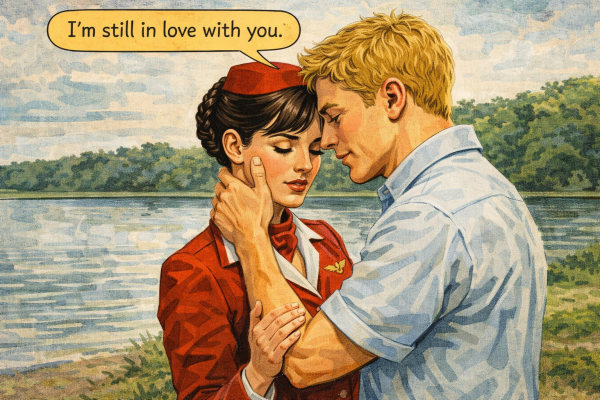
I would have said, “Sure, it does”, if I had thought about it, but I didn’t until this morning.
The robot’s analysis of my Silken Thread screenplay is 14,343 words.
Deliverables included a scene-by-scene comparison with the novel, an adaptation map, and a beat-sheet.
I would edit it for marketability, but not because the script lacks value. It already has a distinctive mix of period romance, espionage texture, and later action-thriller escalation. What it most needs is sharper packaging: a clearer promise of genre, faster escalation, and a more focused spine.
What’s already helping you:
The central hook is strong: an intense romance between Barb, 28, and David, 18, beginning in 1967 Manila, with Mandarin/CIA intrigue in the background. That is unusual and memorable. The reunion section in 1969 Texas/Houston also has real movie energy, especially once David’s parallel lives start stacking up: CIA analyst, BLM ranger, student, equipment operator.
You also write vivid set pieces. The Houston reunion works, the sinkhole/stabbing sequence is cinematic, and the Singapore home-invasion material feels like a different, larger movie arriving late in the script.
Working outline for revised screenplay
1. INT. SKY RESTAURANT, HOTEL NEW OTANI, TOKYO – NIGHT
Objective: Establish that David already has a plausible, prestigious future in Asia before Barb enters his life.
David dines with Ward Aarens and Wu Qiang; Qiang offers him a future in business if he learns Mandarin and becomes useful in the right way.
Keep short: one table exchange, one clear offer, one strong visual of young David looking out over Tokyo.
2. EXT. TOKYO STREET – NIGHT
Objective: Introduce the film’s core thematic conflict: a life of strategic advantage versus a life of love.
Ward walks David through the rain and explains that the kind of life Qiang offers may come with a wife chosen for business and desire displaced elsewhere.
Do you have a screenplay languishing in a file folder? You should try this.
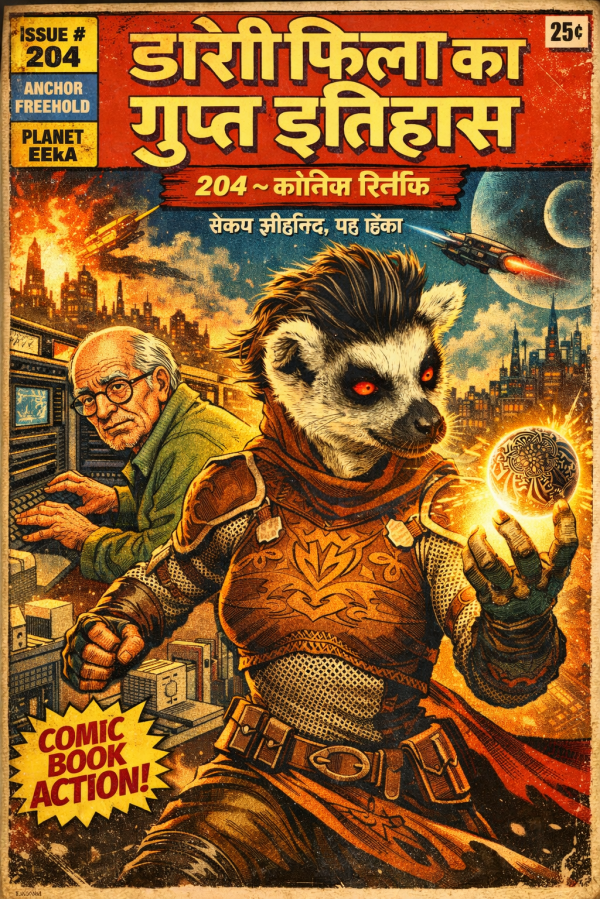
My AI image prompting strategy is often guided by a willingness to let the machine do its thing.
In this case, I gave ChatGPT a reference image, a chapter from the novel, and told it to make a comic book cover with Devanagari titles.
The headline title is Urdu (Hindi). It says, “The secret history of Dori Fila.”
Pretty cool, huh?
Here’s the reference image, cover art from The Illusion of Gravity.


From the novel Silken Thread.
In 1966 Manila, an American teenager courts a CIA recruit several years his senior. It’s a mismatch, a scandal. When she ships out, it’s over. Maybe.
Buy the book at https://www.amazon.com/dp/B07SQPYY1F
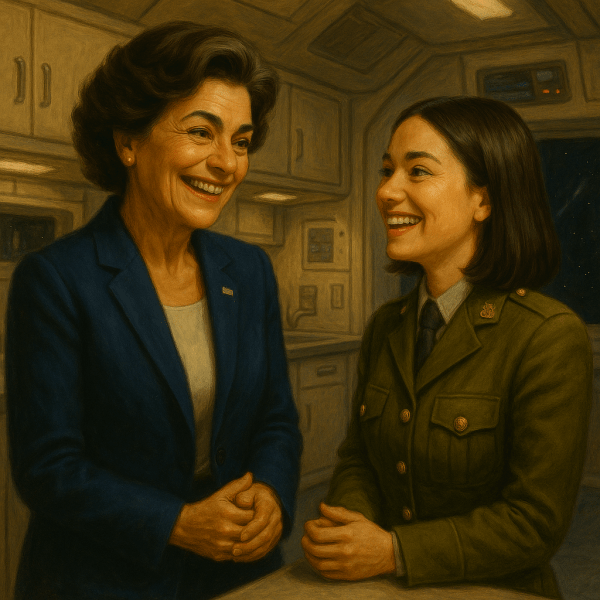
The clip is out of a pre-release version of UtopAI, on a freebie beta test invitation — and if I were motivated, I could have made better use of the opportunity, or at least different use.
However, what I did was upload Maroli Tango Chapter 1 straight out of the manuscript, plus seven reference images.

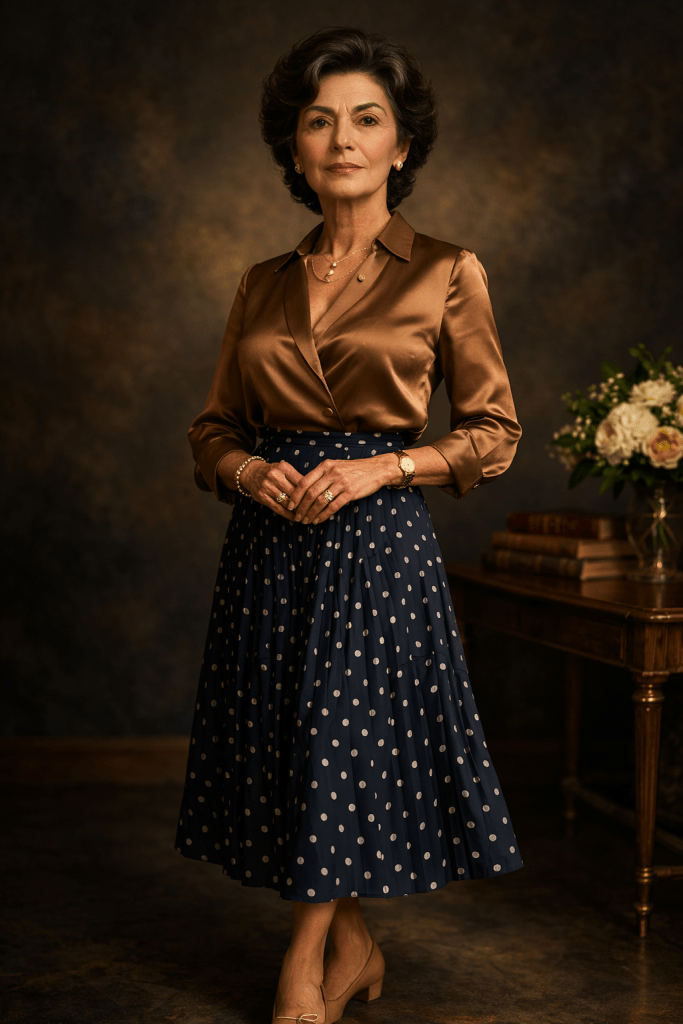

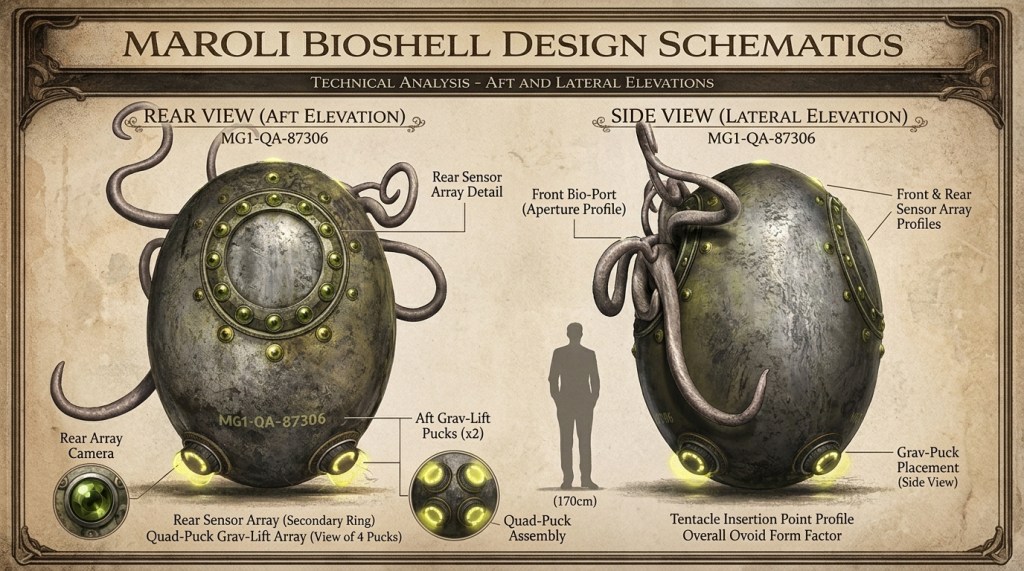
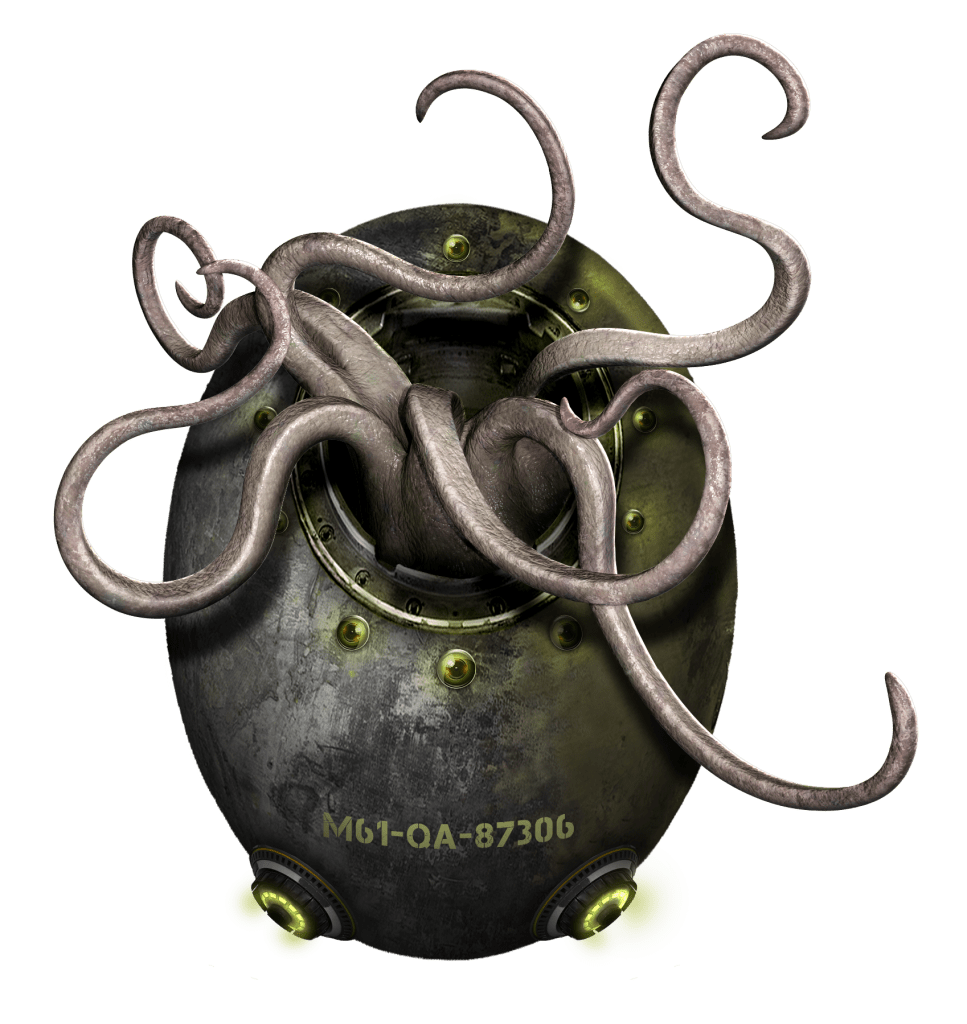

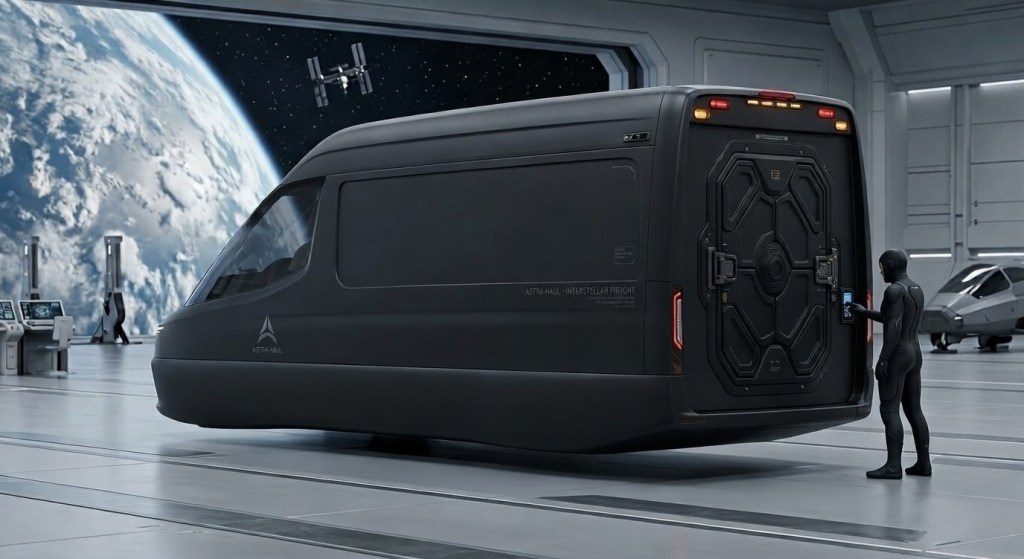
This is not what a moviemaker does to prepare for a shoot — not even close.
I spent two-and-a-half hours. Two hundred hours would have been more appropriate.
The outcome is a lot better than anyone should expect.
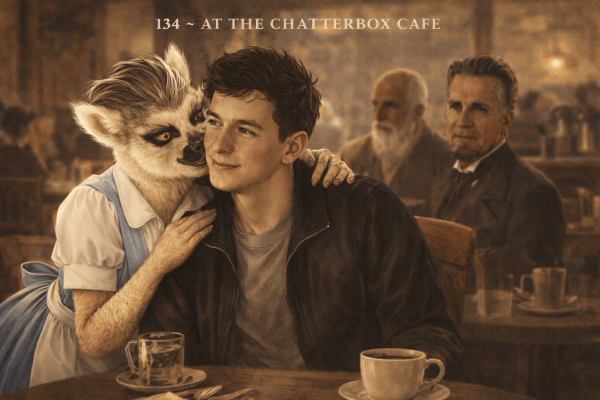
That’s me in the background, with the goatee.
I know. Crazy, right?
Read the chapter at https://marolitango.substack.com/p/134-at-the-chatterbox-cafe
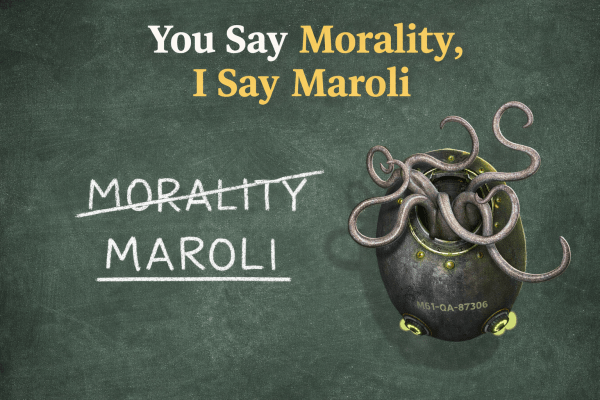
Maroli Tango is about ordinary people confronted with remarkable circumstances.
Literary Science Fiction Action-Adventure Intrigue Family Drama Space Opera.
LSFAAIFDSO
Or, if you prefer, it’s a morality play.
Read the book at https://marolitango.substack.com/s/read-the-book
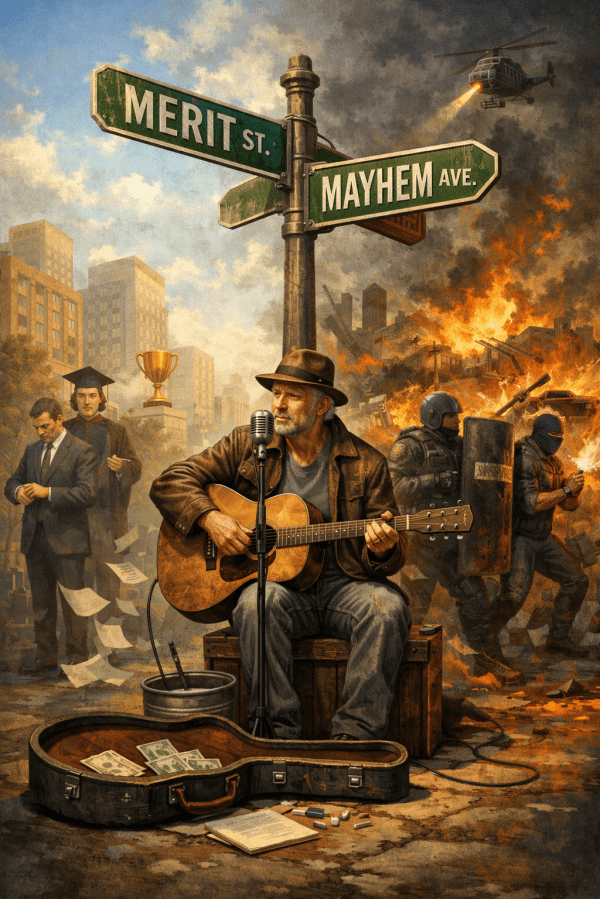
The Secretary of the Treasury lived in an exclusive gated community. If one were to consult the HOA charter, front-yard spacecraft landings would fall under the same category as helicopter traffic — requiring prior approval by the board of governance.
Carmen Benequista did not ask permission. Instead, she dropped a Fatboy troop shuttle right on top of her victim’s mailbox.
Her companion, an elevated size-two fighting maroli named Incredible, asked, “What’d this guy do to piss you off?”
She replied, “He disobeyed a lawful order to default on United States debt held by foreign actors.”
Incredible let himself out a cargo hatch. “Why do you want to default on debt?”
Continue reading “Busking at the Intersection of Merit and Mayhem”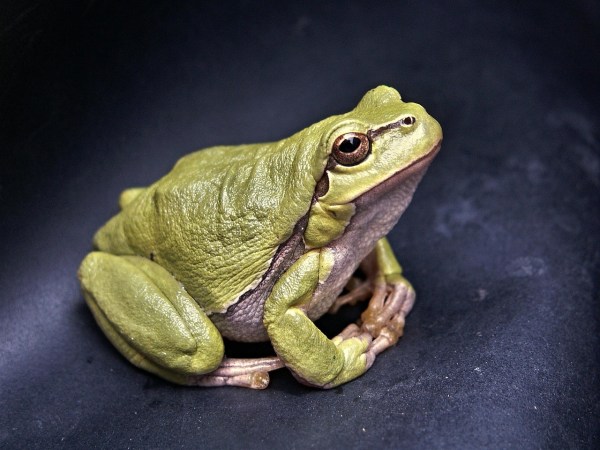
When the machinist was a boy, his grandfather told him about a tiny ceramic frog kept in a pocket at Dachau, the old man’s silent prayer to God that he not be forgotten.
Upon retirement, the machinist took up woodcarving, producing pocket-sized figures of frogs in remembrance of his grandfather’s ordeal.
One day, someone mentioned the frog was a symbol of liberation.
“Oy vey,” he said. “Is that what this is about?”
Thematically, my novels are about discipline, calling, stewardship, covenant, and moral formation over time.
 John Dyer Writes
Recent Comments